

THE
HORSE WAY
Notes from the stable – and the conference room. Leadership coach and horse rider Louise Hedges on trust in teams, and learning to read the signals around you as a leader.
I spend my working life helping people be effective and happy in their work. If colleagues or clients don’t trust you – or you don’t trust them – it is impossible to be both effective and well for long. Safety sits at the heart of this. As animals, we are wired for it; it is a core human need, not a “nice to have” in organisations.
Workplaces often underestimate how much energy is spent managing threat responses: status anxiety, fear of failure, fear of exclusion. When those are high, intelligence drops, collaboration weakens and people perform roles rather than reality.
Earning trust is simple in principle but not easy in practice, because people and workplaces are complex. Over time, humans have become heavily reliant on language and separated it from other forms of perception. Yet much of how we decide whether to trust someone lives outside words. We often ignore it, only registering a vague sense that something is “off.”
At work, many of us mask ourselves. We try to appear competent, “grown up” and like we belong. But that masking has a cost: it reduces our ability to truly listen. I call what’s needed instead “global listening” – listening with the whole body. And horses are experts at it.
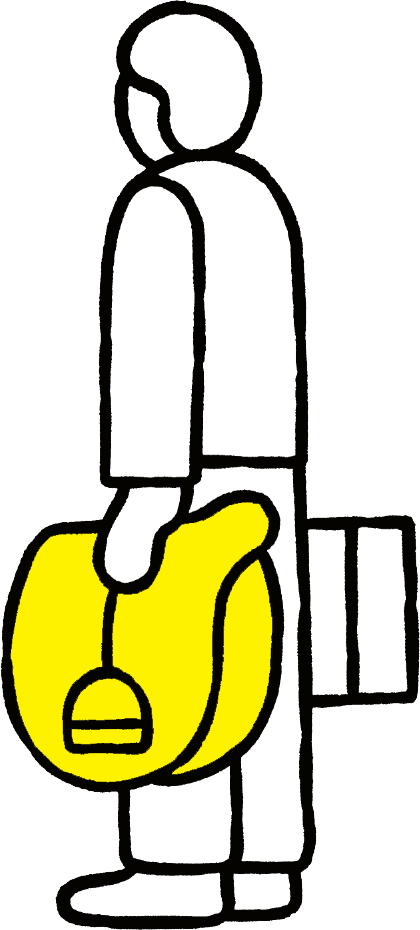
I first learned this the hard way when I was 12. I had just chosen my first horse. She was beautiful. The next day we tacked her up for our first ride. I felt grown up, responsible and in control, like I should take charge. But she was overwhelmed and anxious – coiled energy I didn’t recognise or respect.
I ignored everything she was communicating. As soon as I mounted, I sat heavily, trying to steady her. She gave small warnings – tightness, movement, resistance – but I pushed on. After a couple of tiny bucks, I sat back and said “steady” firmly. She reared, throwing me off balance and in the fall I pulled her over onto me, crushing my pelvis in 13 places.
I spent six weeks in hospital. I had plenty of time to think about what I had failed to hear, and how confident intention can so easily override accurate perception.
Humans do this to each other constantly: we miss signals, dismiss them or simply don’t notice them at all. The consequences are sometimes subtle, sometimes painful. It takes time to realise that most breakdowns in teams are not about capability, but about missed information in plain sight. It took me years to learn to listen differently and I still fail, especially when I am masking or trying to play a role I think is expected. Ego is a powerful thing.
“Most breakdowns in teams are not about capability, but about missed information in plain sight.”
Many years later, I know there is much to learn about leadership – and followership – from standing in a cold yard at 6am holding a lead rope, faced with a half-ton animal that has no interest in your job title or frameworks.
Horses do not care about KPIs or management models. They care whether you are clear, trustworthy and consistent enough to follow. Those three qualities have shaped my work as a coach far more than any formal “model” I’ve taught (and I do, admittedly, love a good management model).
I now think of leadership less as a fixed style and more as a set of roles we move between moment by moment. I often picture it through the body of my favourite horse, Kassie. She is the matriarch in a small herd. She is respected not because she dominates, but because she serves the herd effectively, and takes her job seriously. Her body, in fact, offers a useful model.
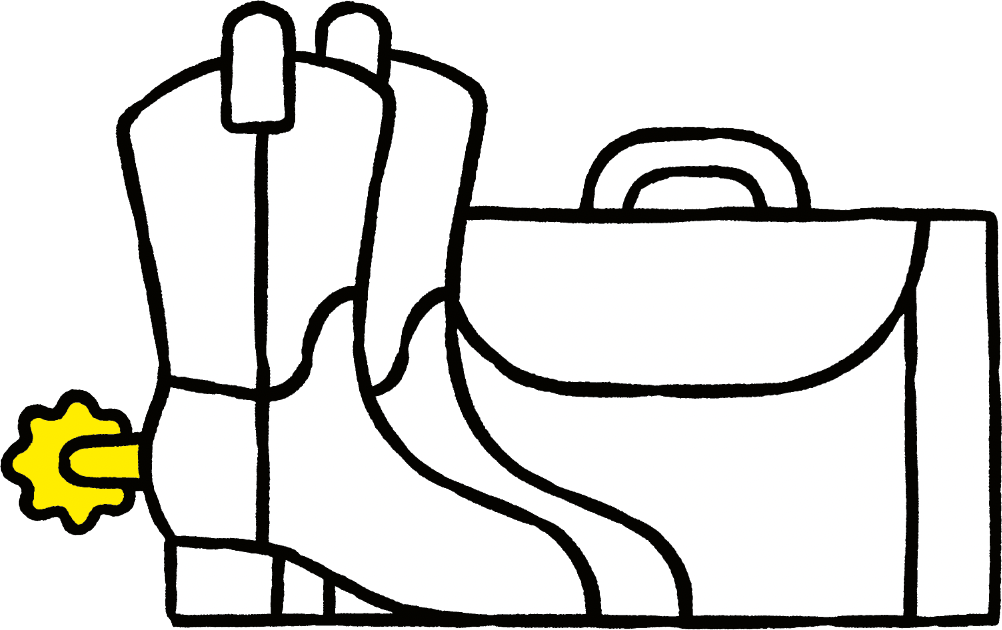
The head: direction and clarity
The head’s job is not to be clever, but to notice early changes – threats, opportunities, shifts in environment – and translate them into direction. If the head is uncertain, the herd hesitates. Hesitation creates risk. When Kassie signals direction, she is not guessing; she is reading context and acting in service of safety and movement.
But that direction only works if trust already exists. The herd follows because experience has taught them she is reliable. Her “this way” is credible because it has been earned through consistency over time, not assertion in the moment.
The body: sensing what is really happening
The body is where truth is felt. Kassie does not respond only to words; she responds to energy, tension, confidence, hesitation. Most humans say one thing while signalling another. “Yes, I’m fine” arrives alongside tightened posture, delayed response, or reduced presence. This is where global listening matters. Instead of pushing past those signals, you can reflect them gently: “You’re saying yes, but it doesn’t feel like a full yes – can we explore that?”
Often, the real conversation begins there, after a pause, when someone is given space to think. We are not good at valuing silence in organisations, but it is often where understanding forms. Kassie will pause, shift attention, and only then decide whether to engage. If she senses confusion or misalignment, she will not proceed until it is resolved.
The body is also where coordination lives. Herds move together not through instruction alone, but through shared awareness. Kassie leads by creating calm alignment, not pressure.
She also has clear boundaries. Approach her without consent and she will immediately communicate “no.” Not out of anger, but clarity. Many workplace problems come from weak boundaries disguised as politeness.
The rear: pace, pressure and protection
The rear of the horse represents movement and power. This is where things either progress or stall. Humans often get this wrong in two directions: too much pressure or none at all. Kassie applies pressure precisely. Enough to prompt movement, then she releases instantly when there is a response. That rhythm – ask and release – builds trust. It also removes confusion.
At work, this might sound like: “We’ve explored this from multiple angles – what decision are we actually making?” That is pressure. But when movement appears: “Yes, that’s it – stay with that.” That is release.
Unclear pressure destroys trust. So does constant pressure without relief. People either shut down or disengage. Clear, proportionate pressure creates momentum and confidence.
The rear also provides protection. From behind, Kassie notices what others miss: drift, avoidance, patterns that quietly undermine progress. Sometimes leadership means naming that directly: “This approach is not working and needs to change.” Done cleanly, without residue, and always in service of the herd.
Leadership shifts depending on context. In calm conditions, the herd grazes. In threat, it moves quickly. Good leadership reads those shifts continuously. Horses do this instinctively; humans often over-intellectualise it.
Cortisol rises, movement happens. Calm returns, rest resumes. Nothing is static. Leadership is not a fixed identity but a continuous set of adjustments. What matters most is intention. Pressure without service becomes control. Direction without awareness becomes arrogance. Sensitivity without clarity becomes drift.
“Leadership is not a fixed identity but a continuous set of adjustments.”
The real skill: knowing where to stand
Effective leadership is not about choosing a style but sensing what is needed in this moment. Sometimes you set direction. Sometimes you listen deeply. Sometimes you apply pressure. Sometimes you step back entirely and let others lead. Kassie moves between these without ego. She is not attached to role; she responds to need. That is the real lesson.
Whether I’m in a field with Kassie or a room with a senior team, the same rule applies: people respond to what is real, not what is performed. They notice when words and signals align – and when they do not. The challenge for leaders is not learning more frameworks, but becoming more congruent: reducing the gap between what we sense, feel and express.
That requires attention not only to others, but to ourselves. What is happening in the body right now? Where is there tension? What is it signalling? What is being avoided? Only then can we properly read others.
This kind of awareness takes time. It is not purely intellectual; it is embodied. But it changes everything: how we lead, how we follow and how safe people feel around us. And sometimes, it prevents avoidable harm long before anything escalates.
If we do not learn to listen like this, we will keep ending up in situations where the signals were there all along – and we simply missed them. I learned that lesson in a very physical way, and it is one I have never forgotten. Using your brain alone only takes us so far. The whole body listening can mean it doesn’t get as far as a trip to A&E
read the room
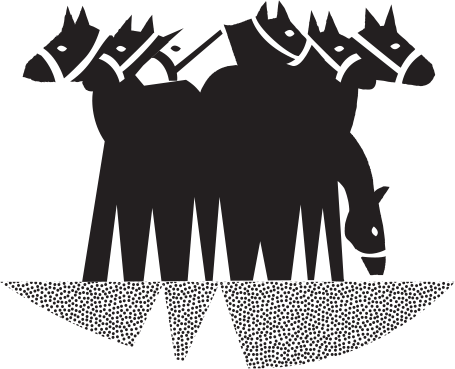
Horses don’t just listen with their ears – they read the world through their whole body. Their noses, packed with sensitive hairs, pick up subtle changes in scent and air. Posture, eye expression, ear angle and distance all carry meaning. Nothing is neutral.
Within the herd, relationships are both individual and collective. Structure is clear but fluid: leadership is often held by an alpha mare, while an experienced male may bring up the rear, watching for stragglers and risk. It is a system of constant, quiet awareness – where position, proximity and attention communicate more than words ever could.
Bio: Louise Hedges is founder and managing director of Pip Development, helping organisations and individuals grow through tailored coaching, training and consulting. She’s been riding horses since childhood – and still takes many leadership lessons from them.
This feature originally appeared in the pages of the Summer 2026 issue of You Can Now Magazine.