

‘Empathy matters’, ‘hire for attitude, not CVs’, ‘think decades, not days’ — three senior figures at the spectacles brand Cubitts share how curiosity and values-led leadership drive teams, shape culture and fuel growth.


Cubitts began in 2013 with a simple ambition: to design glasses that people actually want to wear. From Tom Broughton’s flat in King’s Cross, the brand has grown into 18 UK stores and two in New York, building a reputation for thoughtful design, technical quality and a customer experience that feels personal and celebratory.
Behind this growth is a company deliberately structured to support both its people and its vision.
Every aspect of Cubitts — from store layouts to operational processes — is designed to balance creativity, efficiency and human connection. Transparency and fairness are central: salaries are openly published, employment terms are consistent across roles and a portion of revenue is dedicated to training and personal development.
Expansion into new markets, including the US, has brought new challenges, from operational logistics to cultural adaptation, but the company has approached growth with the same careful attention it gives to product design. Leadership at Cubitts is about creating systems and environments that allow teams to thrive, rather than commanding every decision from the top down.
In this feature, three senior figures at Cubitts — founder Tom Broughton, managing director Katie Dolby and head of people David Carter — discuss how they approach leadership, problem-solving and building a culture that can scale. Their perspectives reveal the practical, human-centred strategies that have helped grow the company into an international brand with a distinctive, people-focused identity.


We started Cubitts in late 2013. The idea was simple: create a spectacles brand for people who actually want to wear glasses – celebrating them rather than hiding them. We wanted to simplify the process, create an amazing customer experience and shift glasses from a stigma to something desirable.
It all began in my flat in Kings Cross. After a year of figuring things out, we opened our first store in 2014. Since then, we’ve expanded to 18 stores in the UK and, last year, opened our first two in New York. Growth is exciting, but it’s always been guided by our vision: stores should feel alive, personal and a joy to visit.
Continuous Learning
Our main values focus on pioneering, pride in our work and continuous learning. We dedicate one percent of revenue to employee training and development, not just job-relevant skills but also various aspects of personal growth. We publish salaries openly and apply equal employment terms to everyone, reinforcing fairness and transparency. The values are then turned into practical initiatives that make them tangible and actionable.
The store design matters, but it’s really the people who bring it to life. Our team members make the experience memorable. They share stories, guide customers and help them make decisions. Glasses are personal, technical and regulated products. The right people transform a store from a functional space into a place where customers feel understood and celebrated.
Hiring the right people is our single most important focus. It’s not about CVs or experience — it’s about attitude, behaviours and alignment with our values. Wrong hires are costly. Right hires are transformative. We test alignment throughout the hiring process — using case studies, practical exercises, and situational questions. For example, we recently asked a candidate to organise images to understand their thinking and decision-making. It revealed far more than a standard interview ever could.
Early mistakes taught me this the hard way. In 2018, we hired a senior finance director who was culturally misaligned. That experience made me realise that hiring isn’t just about skill — it’s about fit, attitude and values. During Covid, we formalised our values, implemented transparent salaries and reinforced the importance of culture. More recently, we wrote an employee handbook.
Values in Action
We follow three values in everything we do — pioneering, pride, for all — and they aren’t just words on a wall. One percent of our revenue goes into employee training, not just job-specific but personal growth too, such as learning languages. Everyone, regardless of seniority, has the same terms for sick pay and bonuses. Transparency and fairness are core to how we operate. Culture is like tending a garden — it requires constant attention. Celebrating the right behaviours, addressing the wrong ones and embedding values in every decision is critical. Hiring is the starting point, but sustaining a high-performance culture demands ongoing effort.
Leadership as Framework
Leadership, to me, is creating the “petri dish” where people can grow. It’s partly about visibility and direction, but also about behind-the-scenes design — how spaces are laid out, what behaviours are celebrated and what barriers are removed. The best leaders don’t do all the work themselves — they create a framework for others to thrive. As the company grows and becomes more dispersed, leading by osmosis isn’t enough. You have to lead with intent, structure and clarity. I separate my roles as founder, CEO and shareholder mentally, because each has different priorities. But balancing short-term needs with long-term vision, and shareholder expectations with employee and customer wellbeing, is a constant challenge.
Empathy and Curiosity
Empathy is the most important skill in leadership. I’m not naturally highly empathetic, so I rely on team members who are, and I’ve learned how critical it is for navigating generational differences and complex dynamics. Alongside empathy, diversity of thought and skill ensures our culture thrives. I personally thrive when doing things we haven’t done before — launching in America, tackling tariffs or writing an employee handbook. That combination of pioneering spirit, curiosity and collaboration is when I’m at my best. Routine work bores me, and my team notices. Balancing “watching the pot” with innovation is key to sustaining momentum.
Long-Term Thinking
We’ve developed a purpose framework with 33 pillars, including “good design changes lives” and “think decades, not days”. It guides difficult decisions and keeps us aligned with our long-term vision. Leadership is about balancing short-term pressures with enduring values, and always keeping people, culture and innovation at the centre. At Cubitts, celebrating people is inseparable from celebrating the product. Hiring, culture, empathy, curiosity and pioneering spirit are not just abstract ideals — they are the foundation of a company that treats glasses, and the people who wear them, with reverence.
"Leadership is about balancing short-term pressures with enduring values."
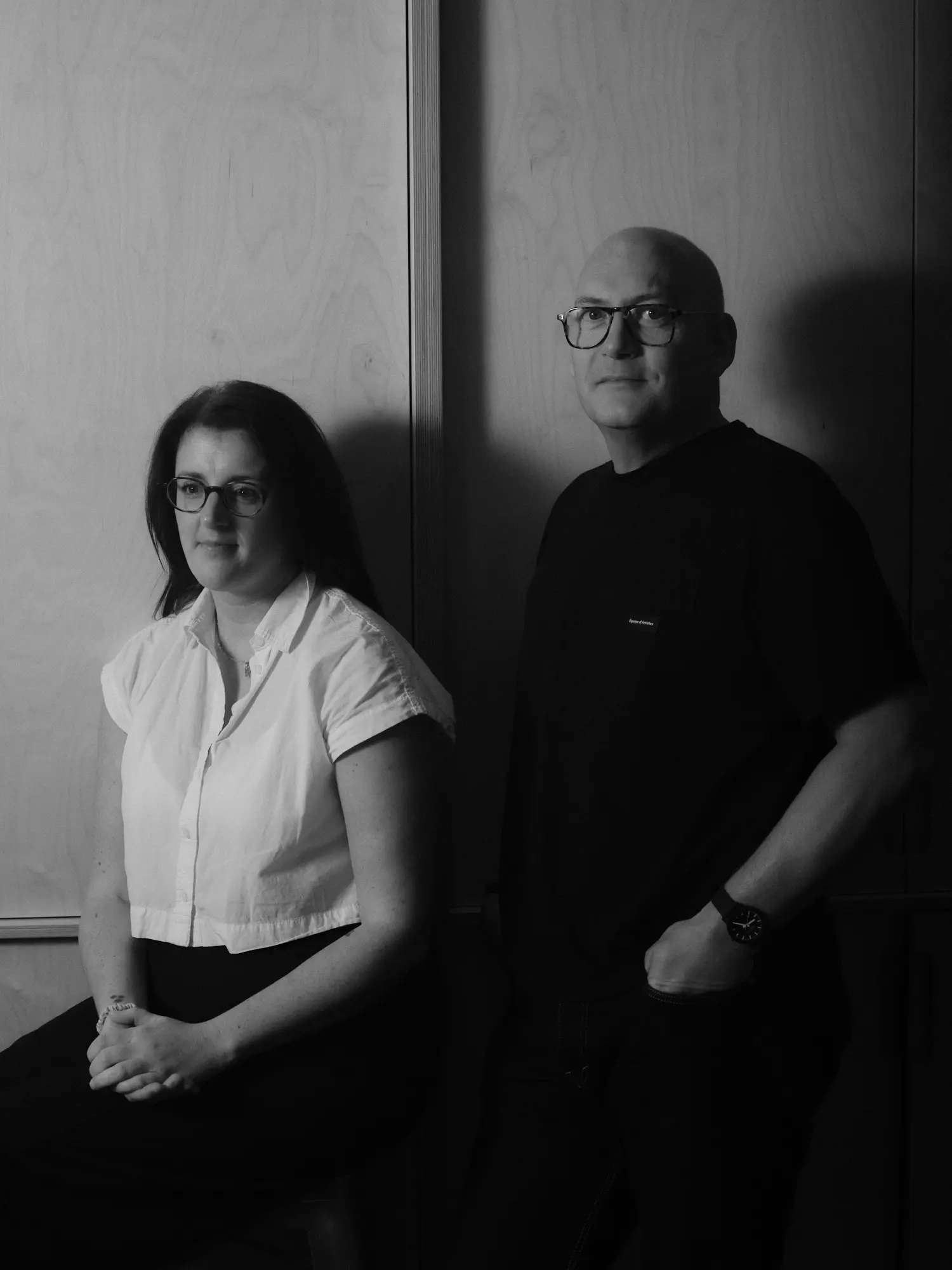
My day-to-day is all about ensuring the smooth running of the business. That means overseeing retail operations, people, corporate functions and the customer experience. Essentially, I make sure the cogs keep turning, the machine is oiled and that we’re delivering the best possible experience for our customers.
Every day is different, which keeps things exciting — and yes, sometimes it’s a bit of firefighting. Flexibility is key. We’re a small to medium-sized business that likes to stay agile, constantly reacting to new opportunities and ensuring our customers have the best possible experience. A pair of spectacles isn’t just a product; it’s a medical device that improves people’s lives.
Learning from the Past
I’ve been fortunate to work at a variety of companies — Marks & Spencer, Topshop, Victoria’s Secret, Majestic — and each experience shaped my leadership style. Marks & Spencer’s graduate program laid the foundation for management skills, coaching and leadership development. Topshop was a challenging experience; it taught me what kind of leader I didn’t want to be. The culture was fear-driven and top-down, and that clarity ultimately shaped my values. Victoria’s Secret, on the other hand, was transformative. I learned the importance of presence, coaching and empowerment. Leadership there was about guiding through people rather than instruction alone. Majestic offered a more experiential, customer-focused environment. Each experience has helped me evolve from a “doer” to a coach and enabler, focusing on empowering others to succeed with empathy and adaptability.
Enabling Others
In my current role, leadership is twofold: leading myself and leading others. Leading myself means being reliable, self-aware and conscious of how I show up. My energy, emotions and time all impact those around me. Leading others is about enabling, not doing. I aim to give people the tools, confidence and environment to succeed, allowing them to learn, make mistakes and grow. Being an enabler involves providing a clear vision, passing goals from the company level down to each individual, and trusting them to deliver. It also means removing barriers, whether operational, cultural or conceptual, so teams can perform at their best.
Building Culture and Trust
Culture is central to leadership. When I joined Cubitts, our values — proud, pioneering, for all — were strong, but we doubled down to ensure clarity. We wrote an employee handbook, developed onboarding programs and advocated for those who embraced our culture and addressing misalignment swiftly. Consistency is vital: following through on commitments, starting meetings on time, being present — these small actions reinforce trust. Transparent salary frameworks and fair rewards also signal respect for people’s time and contributions, fostering loyalty and engagement.
Leading Internationally
Expanding into New York has added another layer to leadership. Time zone differences demand intentional management, clear communication and accessible tools for teams to act independently. Culturally, Americans respond to direct, structured messaging, which has required adaptation without compromising our core values. My experience at Victoria’s Secret, adapting an American brand for the UK, was invaluable. You cannot simply transplant a brand to a new market; you must adjust processes while maintaining mission and standards.
The Bigger Picture
Ultimately, leadership is about consistency, presence and enabling others. It’s about celebrating wins, removing barriers, supporting learning from mistakes and fostering an environment where people can excel. It’s not about doing everything yourself; it’s about creating the conditions for teams to thrive. Following through on commitments, acting with integrity and building trust are the cornerstones of effective leadership.
"Leading others is about enabling, not doing. I aim to give people the tools, confidence and environment to succeed."
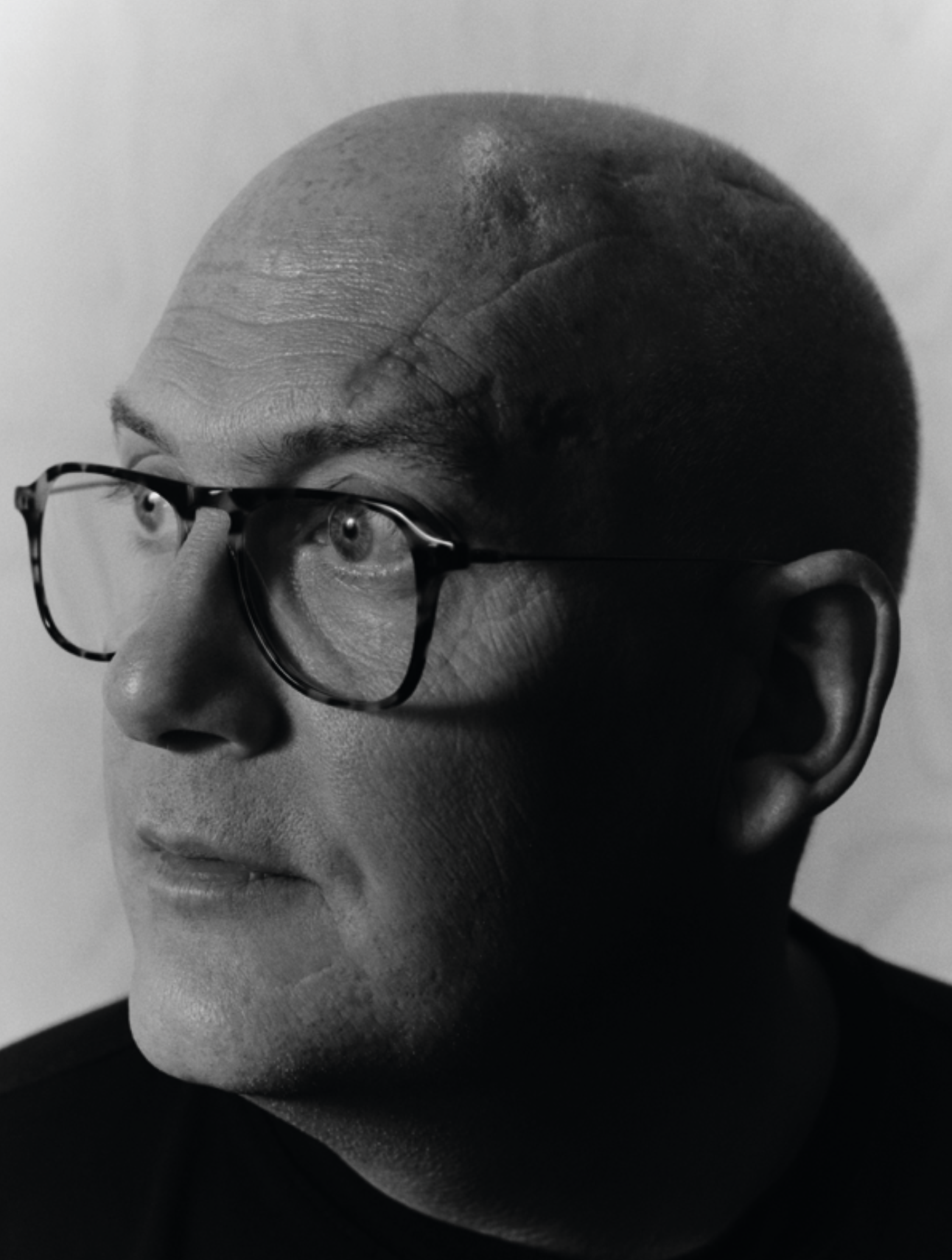
When I joined Cubitts earlier this year, I knew I was stepping into a business with a lot of heart. I work part-time, three days a week, but my remit is full-time in scope: everything from recruitment and onboarding, through development and engagement, across the entire employee lifecycle. My background spans more than 16 years in senior people roles, including a stint as HR Director at Pret a Manger, so I came equipped with experience in shaping leadership programmes and building high-performance teams. At Cubitts, my goal is clear — to form a dedicated people team and craft a people strategy that supports the company’s growth while maintaining its unique culture.
Leadership in a Growing Business
One of the most exciting opportunities here is to develop a leadership programme from the ground up. At Pret, I worked on leadership initiatives ranging from insights profiling to comprehensive development programmes for store managers and support centres. Bringing that knowledge to Cubitts, we’ve started running targeted training to ensure our people managers understand all aspects of leading teams and fostering a culture of professionalism. We’re at the beginning of this journey, but laying this foundation is critical for sustainable growth.
Identifying Challenges
Before implementing any programme, I needed to understand the business from the ground up. One of the first things I did was run an engagement survey to hear directly from employees across the business. It quickly became clear that while Cubitts had excellent training content, there were gaps in career pathways. People didn’t have a clear sense of progression from associate roles to management positions. Addressing this became a priority: mapping out job descriptions, developing blended learning approaches that combine face-to-face and online sessions and aiming to launch formal pathways by March next year.
Simultaneously, I’ve been creating clear guidelines and processes for managers. Previously, the employee experience was inconsistent. Now, managers have light-touch but comprehensive guidance, covering legal obligations and day-to-day responsibilities. This ensures fairness and consistency across the business, and we’re running training sessions to embed these practices for everyone with direct reports. A key part of our people strategy is aligning individual goals with company objectives. Previously, goal-setting was inconsistent, often resulting in “white noise” rather than meaningful progress. Today, everyone — from associates to senior managers — has goals that ladder up to the company’s overarching objectives.
Core Skills and Culture
The skills that make our teams successful go beyond technical capability. Kindness and empathy are essential, but so is the courage to give honest, timely feedback. Managers must be confident in having difficult conversations, because addressing issues early prevents bigger problems down the line. Equally important is the culture we nurture — inclusive, collaborative and open. Everyone knows they can raise questions or concerns directly with leadership. Our flat structure and willingness to roll up our sleeves create a sense of community that strengthens performance across the board.


Building Collaboration
When you join a new company, it’s tempting to try and fix everything immediately. I resisted that urge. Instead, I focused on understanding the business, meeting store managers and listening to their perspectives. This allowed me to identify priorities collaboratively rather than imposing top-down solutions. Developing trust with colleagues — from leadership to frontline teams — was critical, and working closely with Katie helped me understand the pressures she faces and how I could support her effectively.
Motivating a Diverse Team
Motivation is never one-size-fits-all. Respecting different working styles is fundamental. We’re building awareness of individual profiles, so managers can adapt their approach while leveraging diverse strengths. A successful business needs a mix of attributes, and understanding those differences allows teams to perform at their best. At Cubitts, the focus this year has been on embedding strong people practices and fair treatment — leadership development initiatives will follow next year.
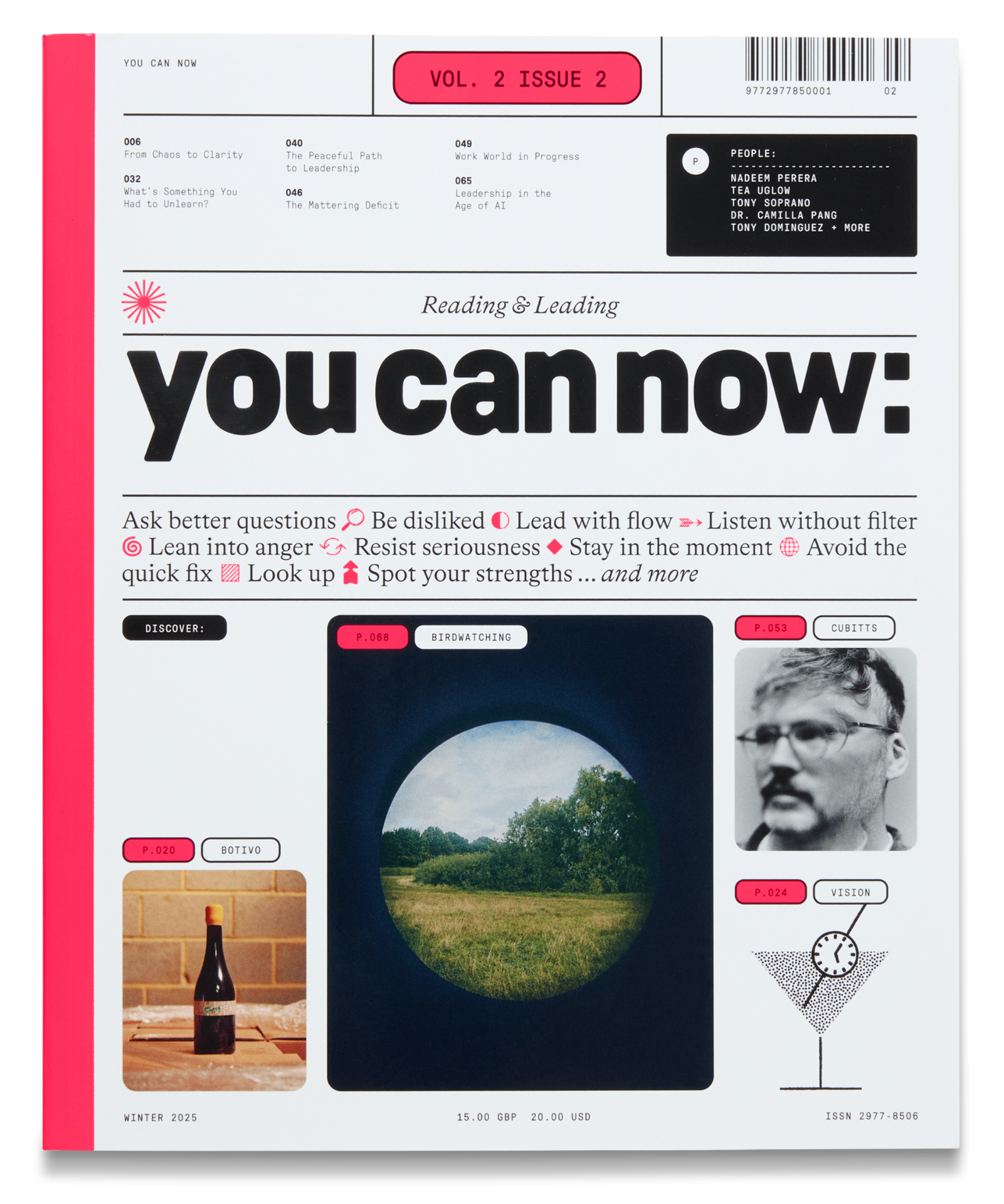
This Cubitts feature originally appeared in the pages of the Winter 2025 issue of You Can Now Magazine.