
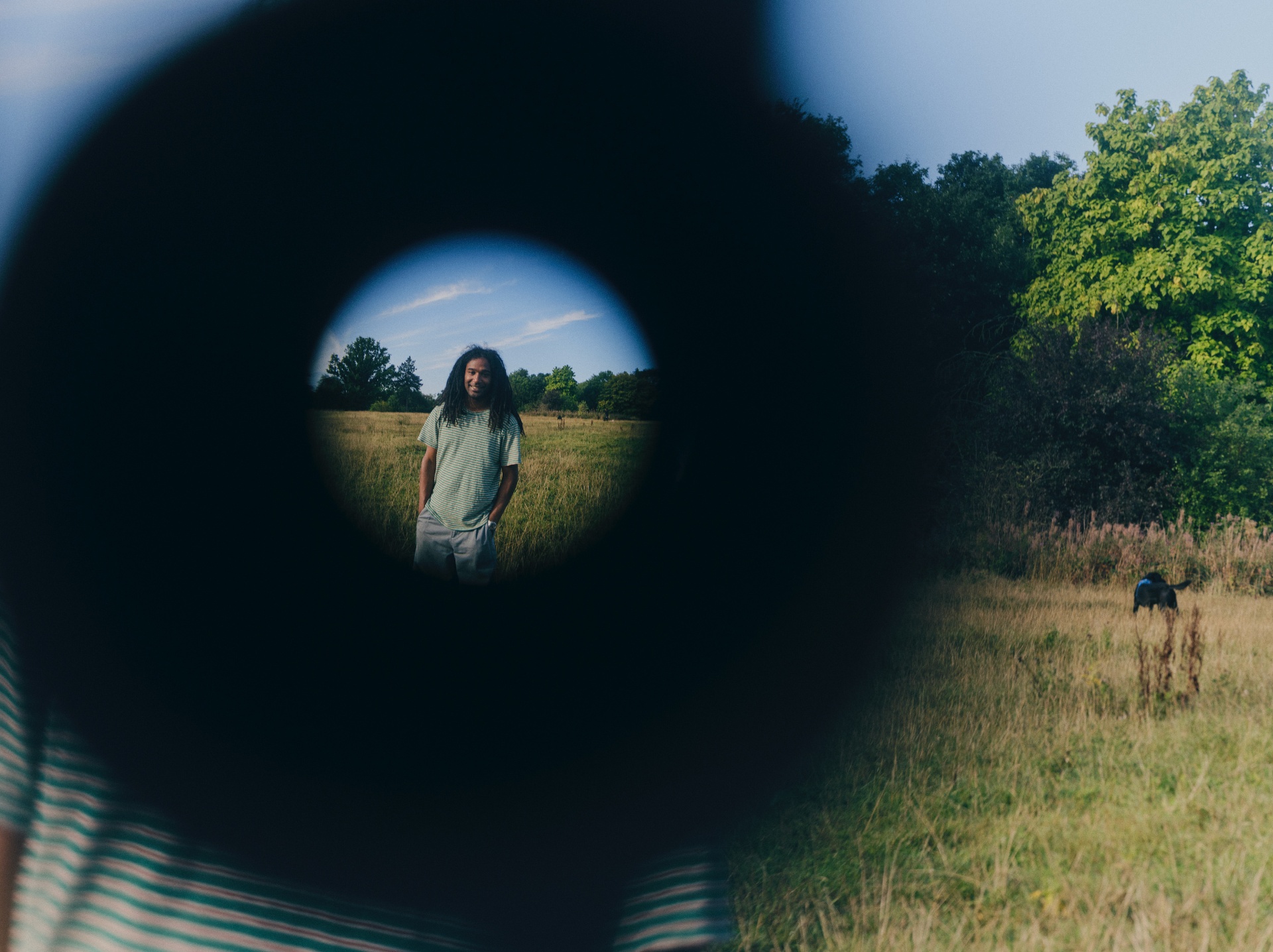
Through youth mentorship and nature, Nadeem Perera demonstrates a model of leadership grounded in care, curiosity and connection.

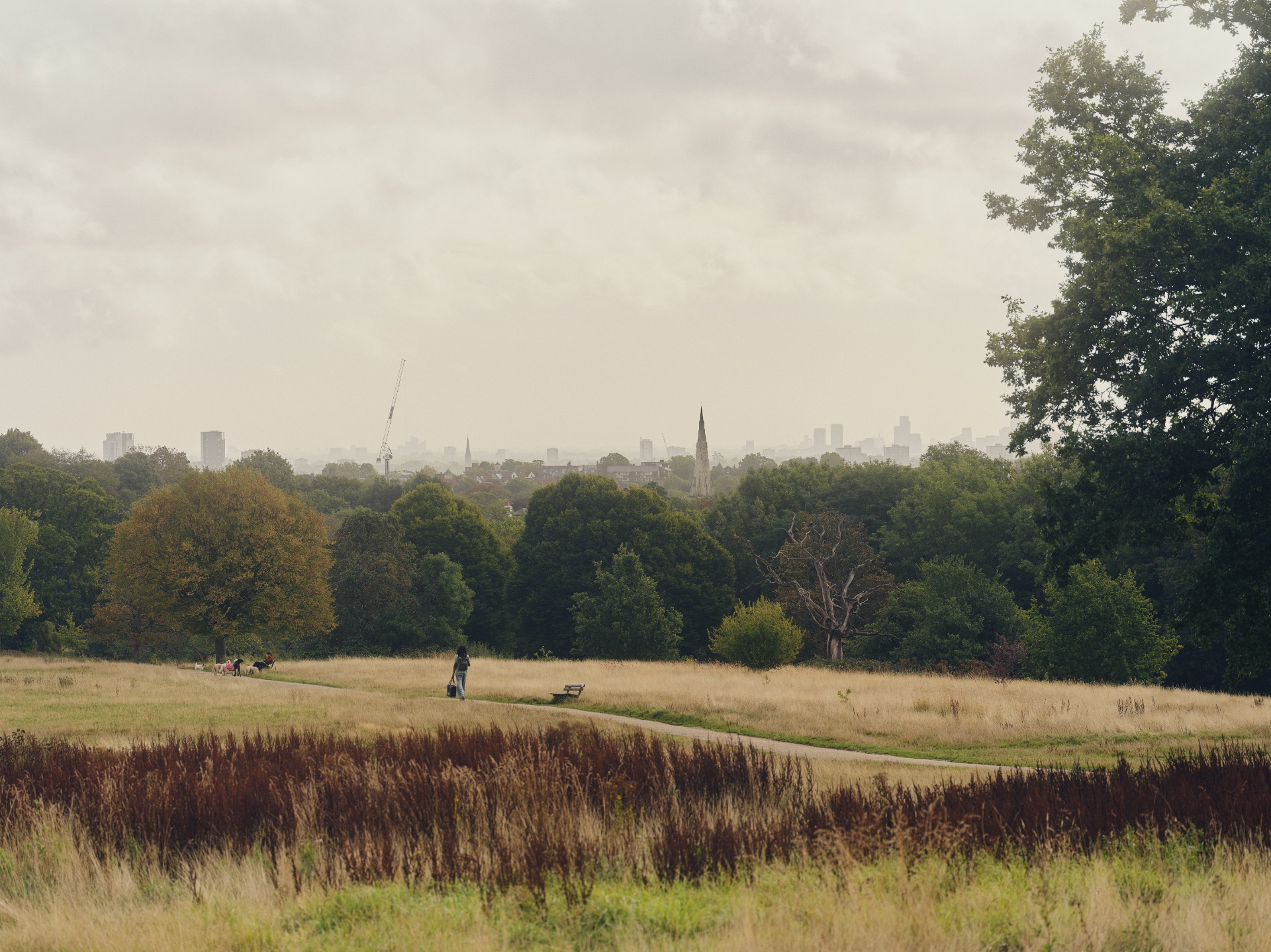
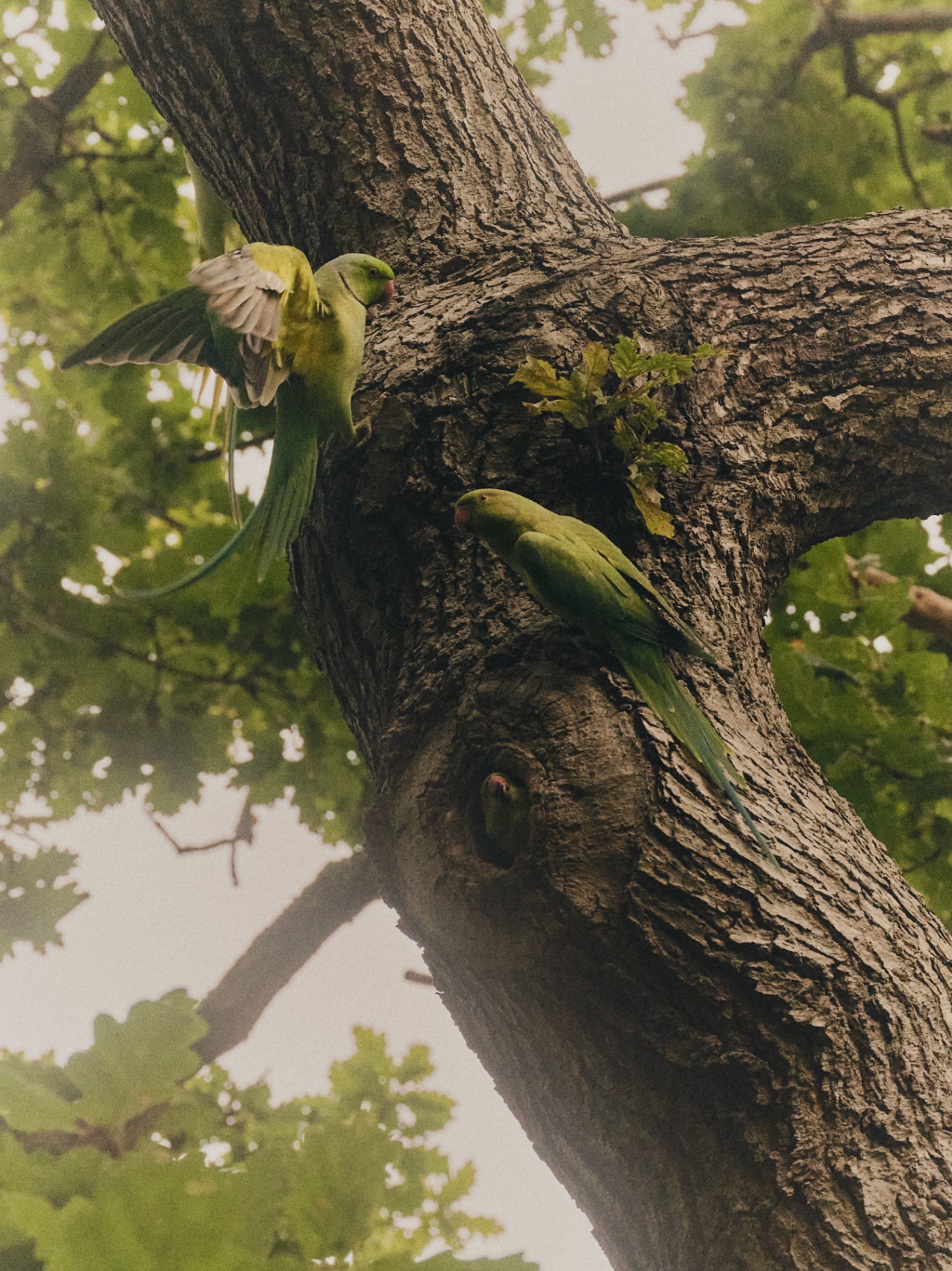
On any given day in Bath, where he now lives, Nadeem Perera can be found walking along the canal towpaths. His eyes move over hedgerows and riverbanks with the same fixation most people waste on doomscrolling a feed. The flash of a kingfisher, a buzzard drifting above the hills, the chatter of long-tailed tits in the willows — nothing slips past. “Every day, I’m that guy,” he says. “My brain is busy. I’m always looking up for birds. That’s how I move through the world.”
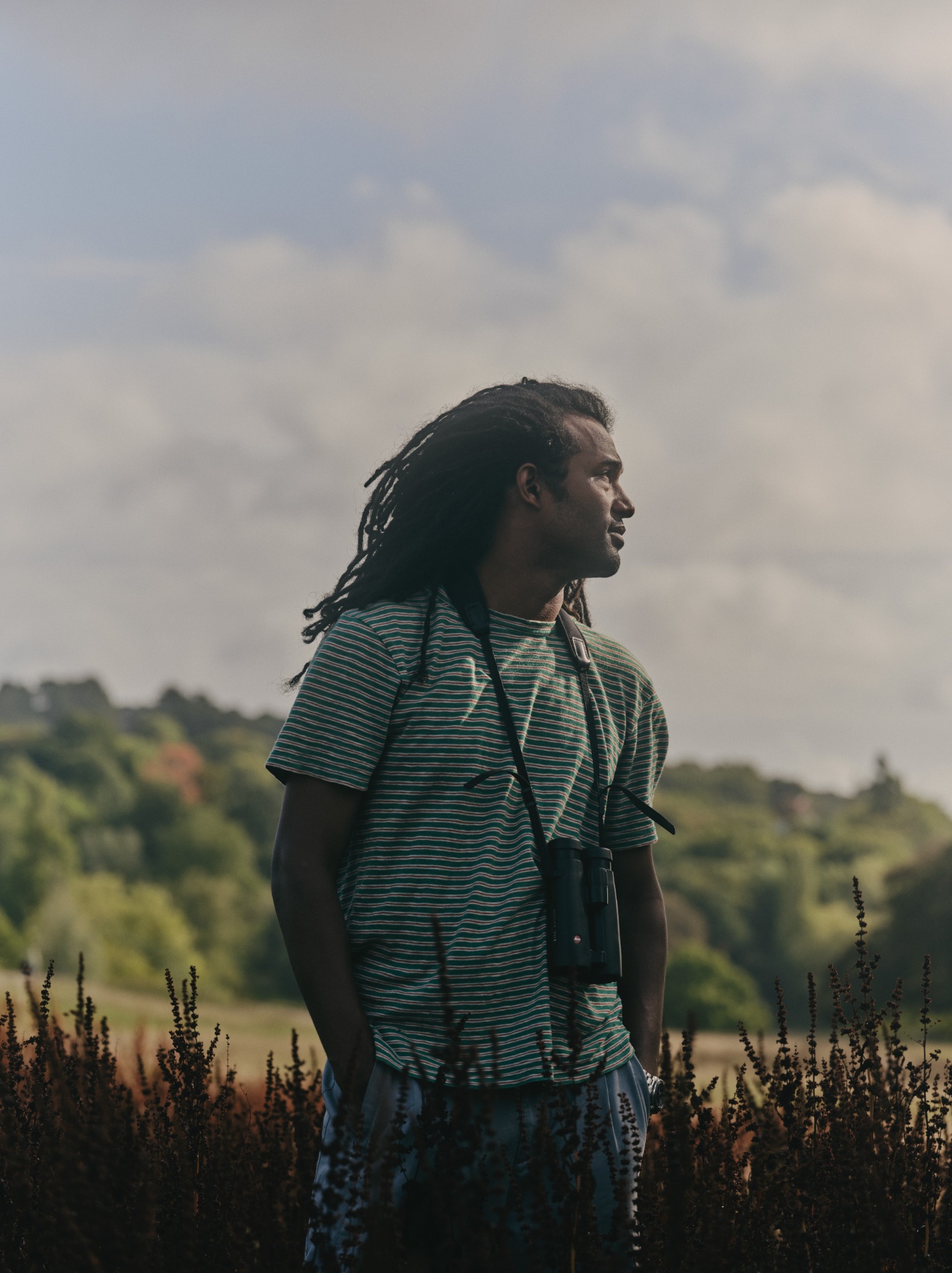
On the surface, birdwatching seems simple. For Perera, co-founder of Flock Together — a “BIRDGANG bringing POC creativity to nature,” as their Instagram puts it — it is the act of reclaiming space, holding presence and reminding us that nature is not the preserve of the few but the right of all. It is also his quiet model of leadership, grounded not in ego, hierarchy or dominance, but in visibility, care and making room for others.
“I’d describe my leadership style as free-flowing,” he says. “I’ve told my team where we’re at, and I’ve told them where we need to be. However you see fit in your capacity to get us there, do it. That’s it.”
Perera was born and raised in Canning Town, east London. “I’m a West Ham fan, all of that,” he says. His childhood wasn’t always easy. He grew up in a single-parent household, which, as he reflects, forced him into leadership roles before his peers. “I had to be,” he says. “I definitely don’t encourage any young person to take on that role at such a young age, because ultimately it did some damage. But one of the benefits of coming from that was: I’m comfortable being in a leadership position.”
That instinct showed up early. He left school at 15, moving through retail and then hospitality, pulling pints in pubs and bars. “I enjoyed that work, and it did bring me joy, but the creative side of me wasn’t being fulfilled,” he says. He realised that nightlife hours left him “out of sync with everyone else” and shifted into a daytime job at a Dalston deli.
It was a chance encounter — a youth football coach from Los Campos FC popping into the deli with a flyer for his summer training camp — that shifted his path. “I’ve always been good at talking to people. It’s a byproduct of growing up in London — 100%,” he explains. “So I just said, ‘You can put that up in here — but I want to come and help you. I want you to give me a coaching trial.’ Thankfully, it worked. He gave me a chance.”
Coaching came naturally; soon he was leading after-school clubs, then a full-time PE teaching role at Queensbridge Primary School in Hackney. Even there, football was not enough. At lunchtimes he began running wildlife clubs: spider hunts, birdwatching walks. “I loved it,” he says. “That was fulfilling me on a level deeper than hospitality ever did.”
When the pandemic arrived, Perera did not retreat indoors. He volunteered to keep coaching the children of essential workers. He took on private one-to-one sessions. And he leaned into birdwatching more than ever. “There was that time in lockdown where it was scary,” he remembers. “I just thought, when history tells itself years down the line, I didn’t want to be the guy that stayed in my yard. I wasn’t going to shy away.”
One of his clients, Derek Yates, a design lecturer, encouraged him to think bigger. Yates pointed him toward creative director Ollie Olanipekun. Perera followed Olanipekun on Instagram, noticed him posting bird clips and responded by naming them all. Within days, they were messaging. “Ollie said, ‘I’ve had this idea to start a birdwatching club for time, I just need the right person to do it with,’ ” Perera remembers. “And I said: ‘A birdwatching club for POC? I couldn’t think of a project more suited to who I am.’”
They launched their first walk in 2020. The name was perfect: Flock Together. Within months, what began as a simple invitation — to walk, to watch, to be visible in green spaces that too often felt exclusionary — had grown into a movement. Flock Together quickly became more than birding walks. It was a cultural intervention: a challenge to the overwhelmingly white image of the outdoors and a reminder that POC communities have always had a relationship with nature. They launched an academy to take under-supported London kids into green spaces. They collaborated with brands not as token partnerships but as opportunities to reframe visibility.
“Very quickly, I’ve gone from teaching PE and running football sessions to sitting in meetings with Burberry, Arc’teryx, Gucci,” says Perera. Those early meetings sometimes felt confusing. “I had no idea what was going on. I didn’t even know how an email address worked. Ollie knew all the lingo, knew how to do it and he showed me the ropes. I was learning how to speak the language, how to ask for something directly. That’s not in a book. You can only learn by doing.”
He frames those days not as imposter syndrome but impatience. “It was frustration,” he says. “I wanted to understand straight away. But I’ve learned that it’s a long process. And the journey is where the stories are.”
Perera is asked often about racism in the outdoors — compared to Christian Cooper’s infamous confrontation in New York’s Central Park — but he resists that framing. “In the five years we’ve been going, we’ve been well received everywhere. Whether in London, the Peaks, Scotland — people love us.” This insistence on joy, on visibility without victimhood, is itself part of his leadership. “We get recognised and we get love everywhere we go. I’m not going to make a story where there isn’t one,” he adds.
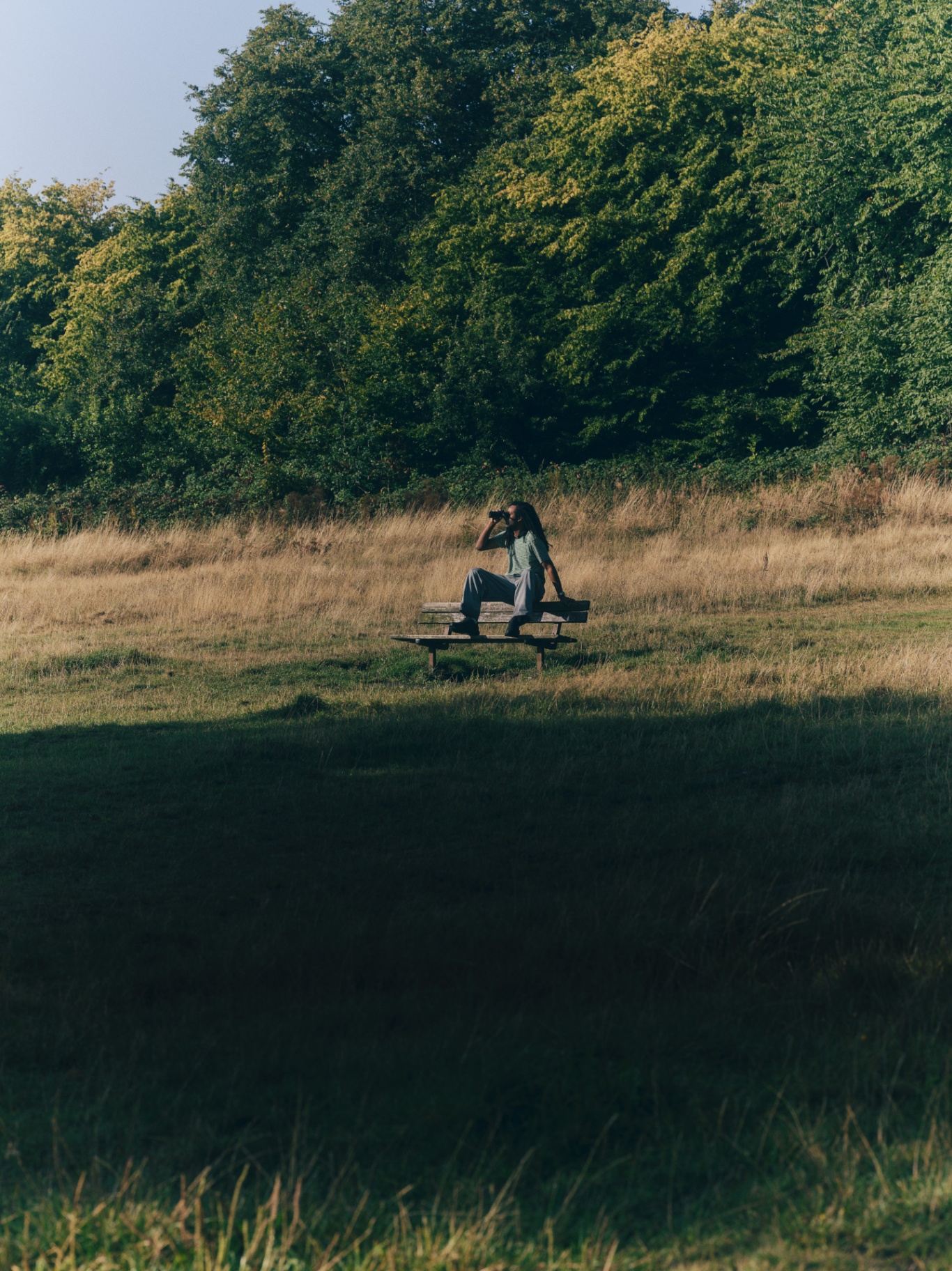
By 2021, Perera was restless again. Still coaching, still flocking, he decided to pursue a childhood dream: working in wildlife television. “Steve Irwin was my guy,” he says. “That was the only access point into nature from where we were. I used to want to be on TV doing that.”
He called a cameraman he’d once worked with, who told him bluntly: move to Bristol, the hub of UK natural history filmmaking. Perera went along with it — sight unseen, no friends, no contacts, just trust in the flow. “I didn’t know anyone. But people call it the ‘green Hollywood’ so it seemed like a good idea.”
From Bristol, doors opened. A senior producer at Silverback, the powerhouse behind Attenborough’s series, gave him a month’s placement. He learned how productions were conceived, filmed, edited and delivered. “Absolutely invaluable,” he says. He went on to work on National Geographic’s Destination Wild series, clocking his first broadcast credits.
Those experiences gave him the tools to meet Olanipekun as an equal partner, to bring opportunities into Flock Together himself. The two worlds – nature television and community organising – fed each other. “They were two hands that washed each other. Skillsets, connections, ideas.”

He found that flow first on the football pitch. He still describes himself as a “football man” — a diehard West Ham supporter, but also devoted to Los Campos, the grassroots Hackney club where he coached in his twenties. Its founder, Terry Hartley, became a crucial mentor. “Terry was very understanding,” Perera says. “He knew I loved the club. But when Flock Together started and other opportunities came up, he’d say, ‘Go and be everything you can be, you’ll always have a home here’. That encouragement and recognition was massive for me.”
Hartley founded Los Campos 10 years ago. When he started, he explains, “I was wearing many, many hats. But now we have people in place, from directors to welfare assistants.” The club has grown to 24 teams and 300 kids. Children as young as 13 can take on assistant manager roles, and they get paid. “The club is all about creating a community, and pathways to future opportunities,” says Hartley. “Access for everyone.”
Of Perera, Hartley says: “He’s a golden nugget. Very intelligent, always working on himself, with a fantastic work ethic. He’s opinionated but not a know-it-all – an open book, with more chapters to come. I wasn’t at all surprised Flock Together took off the way it did.”
Hartley remembers Perera’s early days coaching at the club. “When he first arrived, he was in fight-or-flight mode,” he says. “It took him a while to settle, but we gave him the space to be young and make mistakes. He’d sometimes go out the night before coaching and turn up the next day with his tail between his legs. He was a bit naive, but always open to criticism. I wasn’t a strict parent – I’d say, ‘This is a safe space, let’s move on.’ We don’t turn our backs on people here, and Nadeem has carried that ethos forward.”
Over time, Perera grew into a mentor himself. “He built strong relationships with parents and kids, many of which he still holds today, even after moving away,” Hartley says. “He’s like a big brother or uncle to the kids. I completely trust him.”
But the role came with challenges. “He’s had to deal with everything you can imagine in a Hackney community – bullying, mental health struggles, issues involving both kids and parents. Nadeem had to be very strong-minded.”
Looking back, Perera says he understands why he felt called to step up. “I felt the pain of not having anyone step into that role for me,” he reflects. “That’s why I wanted to mentor young people myself.” His after-school clubs, his coaching, even the academy he later built into Flock Together – all grew out of that impulse.
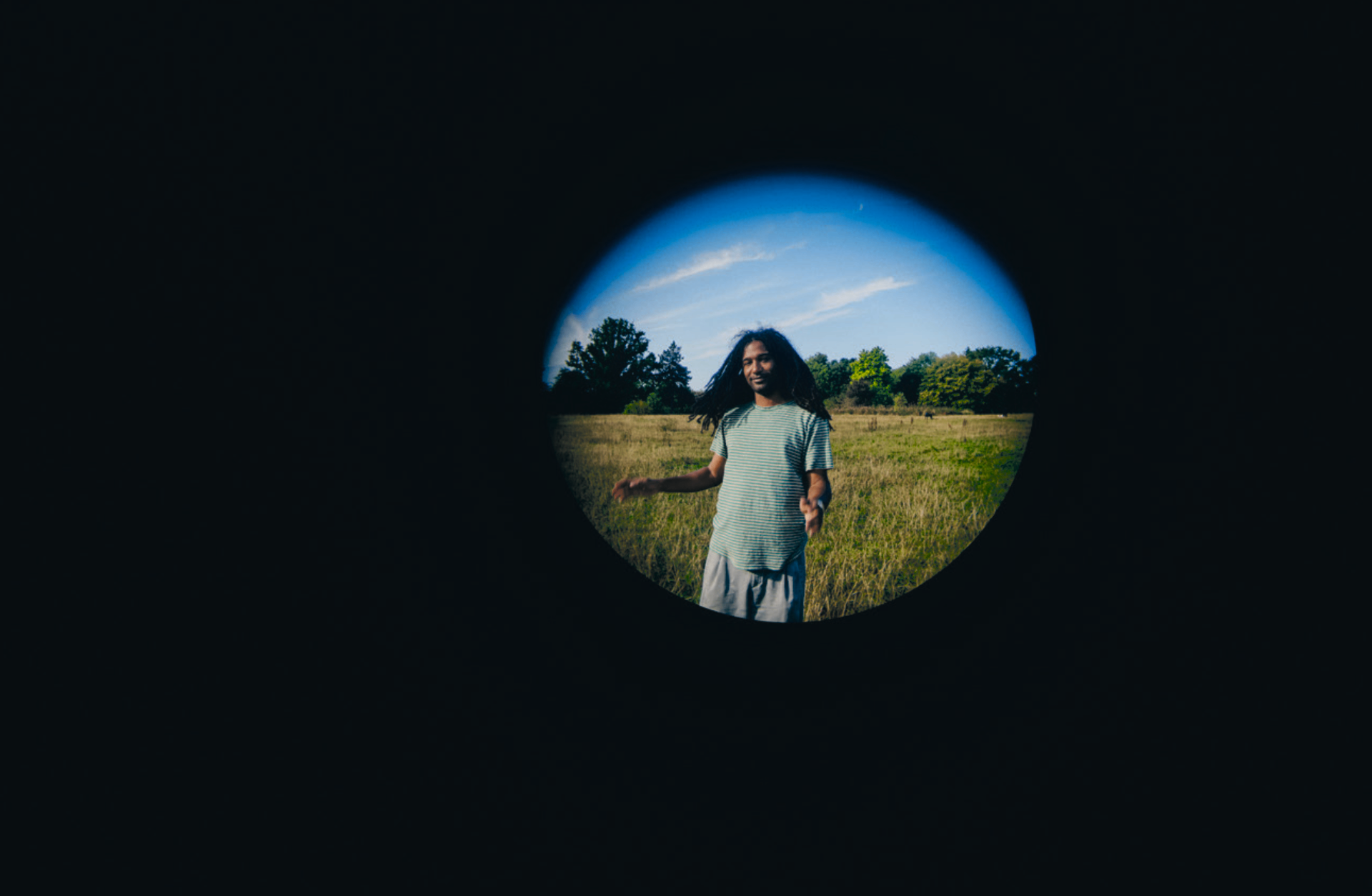
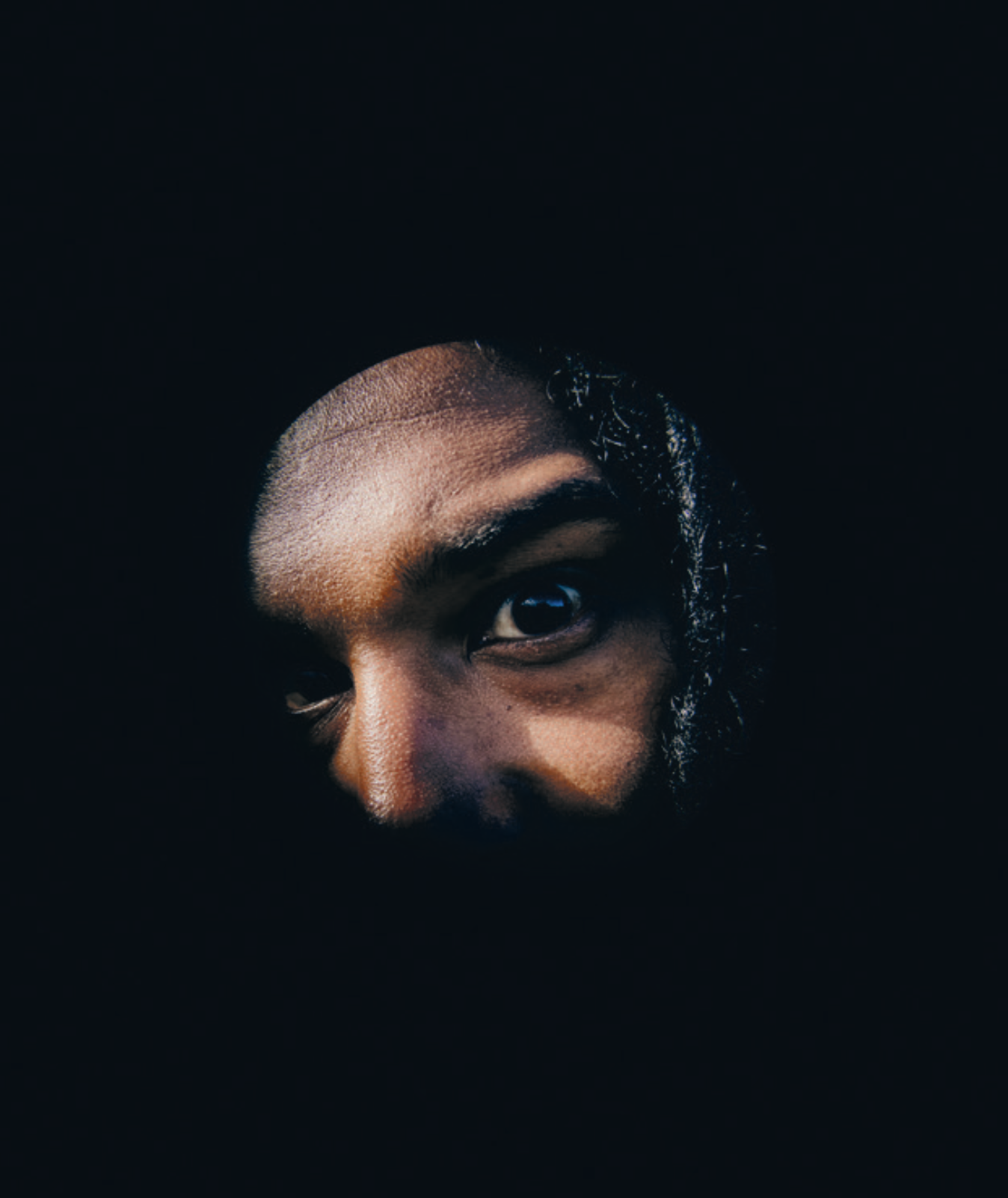
When asked to name leaders he looks up to, Perera’s list is as eclectic as his journey. Tony Soprano, “a horrible sociopath but also showing fantastic leadership — decisiveness, big-picture thinking, mentorship.” José Mourinho, for shielding his players from scrutiny. Huey Newton, co-founder of the Black Panther Party, “speaking up for humanity with unwavering courage.” And Naruto, the manga hero: “An orphan shunned by his village, who kept it so simple. Even in the most complex situations he’d say, ‘I’m doing this because that’s my ninja way’.”
It is telling that two of his role models are fictional. Leadership for Perera is not a matter of replicating corporate frameworks or military hierarchies, but of recognising qualities — courage, care, decisiveness, presence — wherever they appear.
Birdwatching is often stereotyped as solitary, even fusty. But for Perera it is the opposite: connective, cultural, alive. He shares these sightings constantly — on walks, in casual conversation and on Instagram, where he posts spot the bird stories that make his followers work for it, hiding a blackcap or sparrowhawk in the frame so well you’d need 20/20 vision to catch it. This act of noticing, and of inviting others to notice, is the core of his leadership. It is less about commanding than accompanying. Less about shouting from the front than walking beside. To flock together is, after all, to move as one, while still allowing space for each bird to fly in its own rhythm.
Today, Perera straddles multiple worlds: community organiser, cultural leader, television presenter, youth mentor. He has launched his own production company, Hero Hyena, to push further into storytelling. He still returns to Los Campos when he can. And above all, he still walks — daily, attentively, with binoculars at the ready.
Looking back, he sees a through line: the boy scanning a crowded schoolyard, the coach holding 70 children’s attention, the birdwatcher tracing flight paths. All are the same gesture — presence, flow, the ability to see and help others see.
“I don’t know what it is,” he reflects. “But the roles I seem to fall into are those of a leader. And for me, leadership is about flow — being present, noticing what’s in front of you, and doing what fits best in each moment.”
In an age that often equates leadership with authority or ego, Perera models something gentler: a flocking, not a following. A reminder that to lead can mean nothing more, and nothing less, than noticing the birds — and inviting others to look up too.

This feature on Nadeem Perera originally appeared in the pages of the Winter 2025 issue of You Can Now Magazine.