
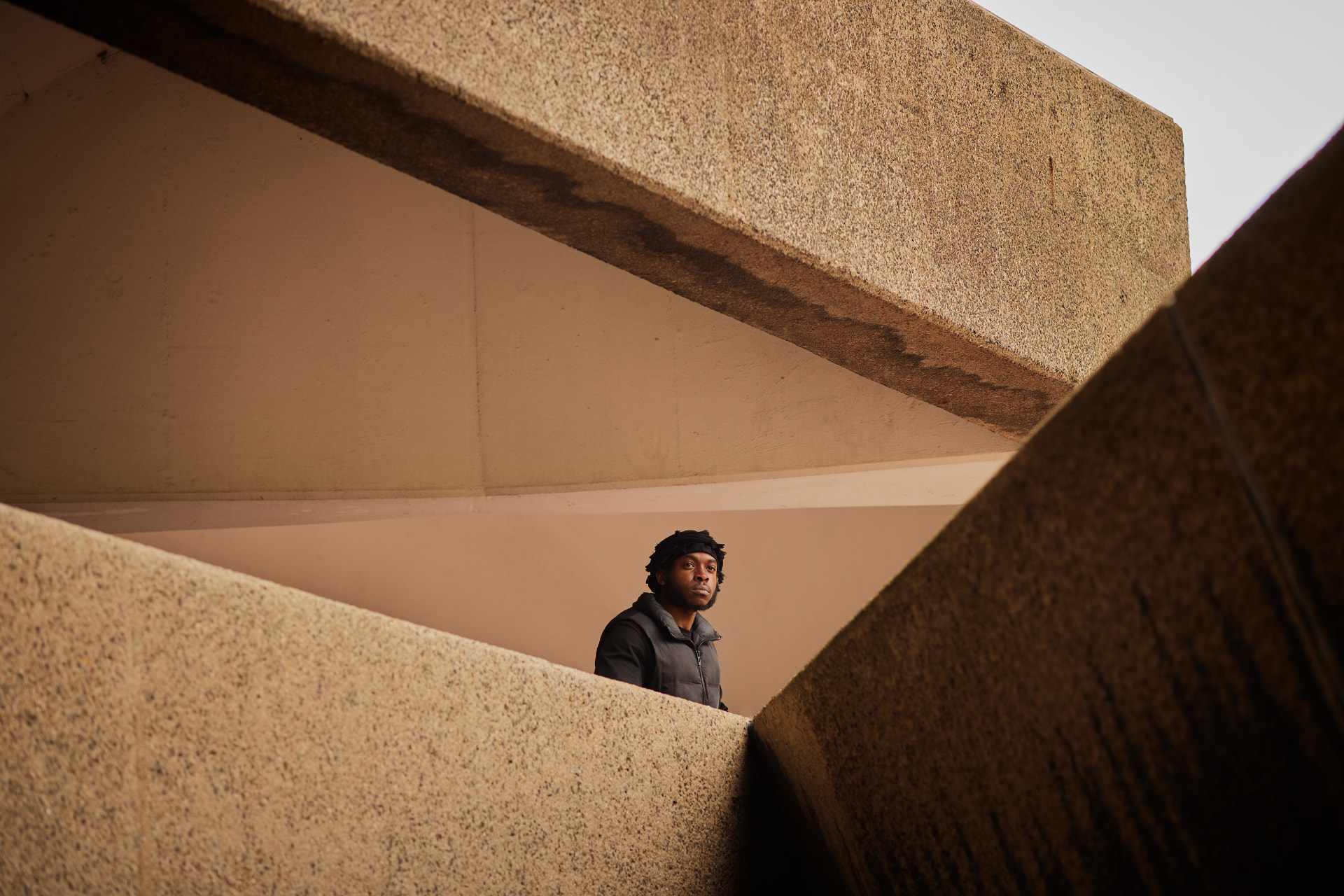
From Inside
to Impact
What happens when lived experience meets real support? Voices within Spark Inside reveal how coaching and community drive real change.

Inside prison walls, time moves differently.
Days can feel repetitive, flat, contained. But inside that rhythm, something else can also begin to shift — the way someone sees themselves, their choices, and what might still be possible on the outside. That shift is often small at first. A conversation. A question. A moment of pause that didn’t exist before.
That’s the space Spark Inside works in. Using coaching rather than instruction, it brings structured, human conversations into prisons and communities, designed to help people step back from survival mode and start thinking differently about who they are and who they could become.
Founded in 2012, Spark Inside delivers coaching programmes that sit somewhere between personal development and emotional repair. Its core programme, the Hero’s Journey, takes place inside prisons and is built around group coaching sessions that encourage reflection on identity, behaviour and future direction. Rather than telling people what to do, it asks participants to slow down and examine the patterns that have shaped their lives.
Alongside this, the organisation runs one-to-one coaching for people approaching release and those recently returned to the community. These sessions often sit in the most unstable moments — when structure disappears, pressure returns, and old environments are waiting. The aim is not to “fix” anyone, but to create enough space for clearer decision-making in moments where clarity is hardest to find.
A key part of Spark Inside’s approach is who delivers the work. Their coaches and facilitators bring diverse perspectives and professional experiences. That changes the dynamic in the room. Conversations are not abstract or distant; they are grounded, recognisable, real. Over time, the organisation has also developed a wider network of “champions” — people who have come through its programmes and now help shape and deliver parts of its work, from workshops to recruitment panels to programme design.
In this feature, we hear from three people deeply connected to Spark Inside in different ways — the organisation’s CEO, Vicki Cardwell; a participant whose journey began in prison, Javel Watt; and a coach supporting people through transition, Jeffrey Wotherspoon — all united by shared goals.
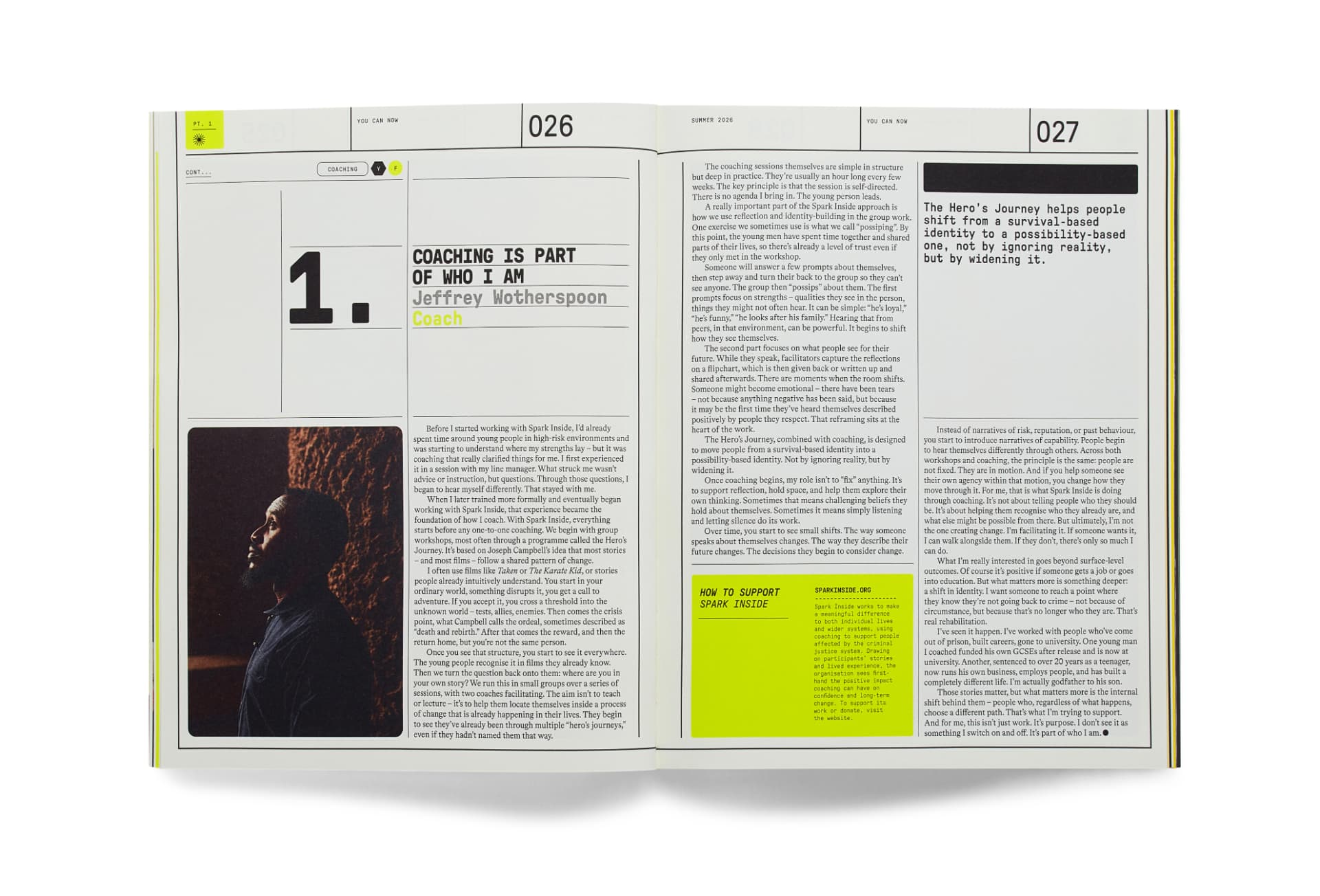
The Hero’s Journey helps people shift from a survival-based identity to a possibility-based one, not by ignoring reality, but by widening it.
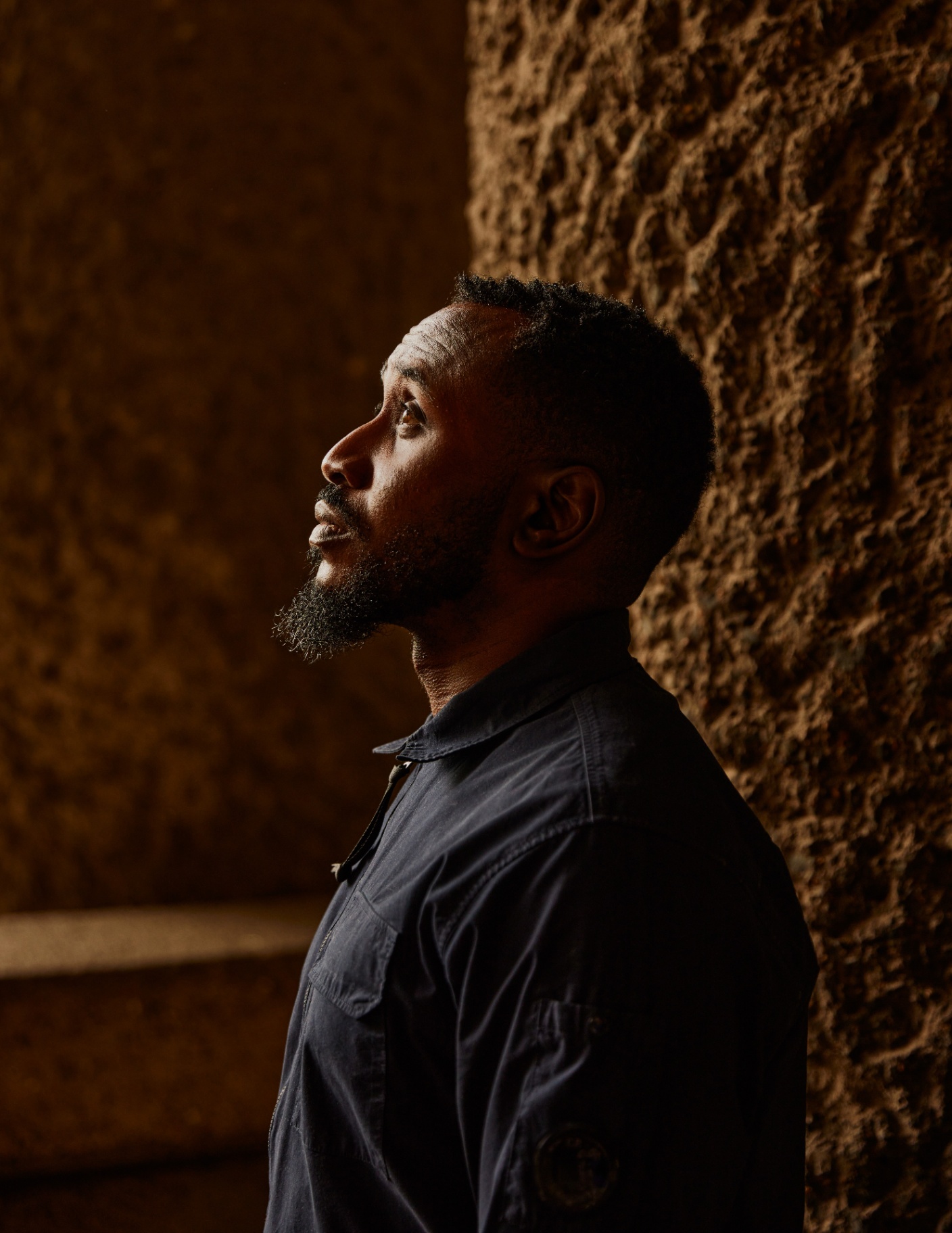
A LEAD COACH WITH SPARK INSIDE SINCE 2013, JEFFREY FACILITATES THE AWARD-WINNING HERO’S JOURNEY PROGRAMME – A COACHING INTERVENTION FOR 15 TO 25 YEAR OLDS – IN PRISONS ACROSS LONDON AND THE SOUTH EAST.
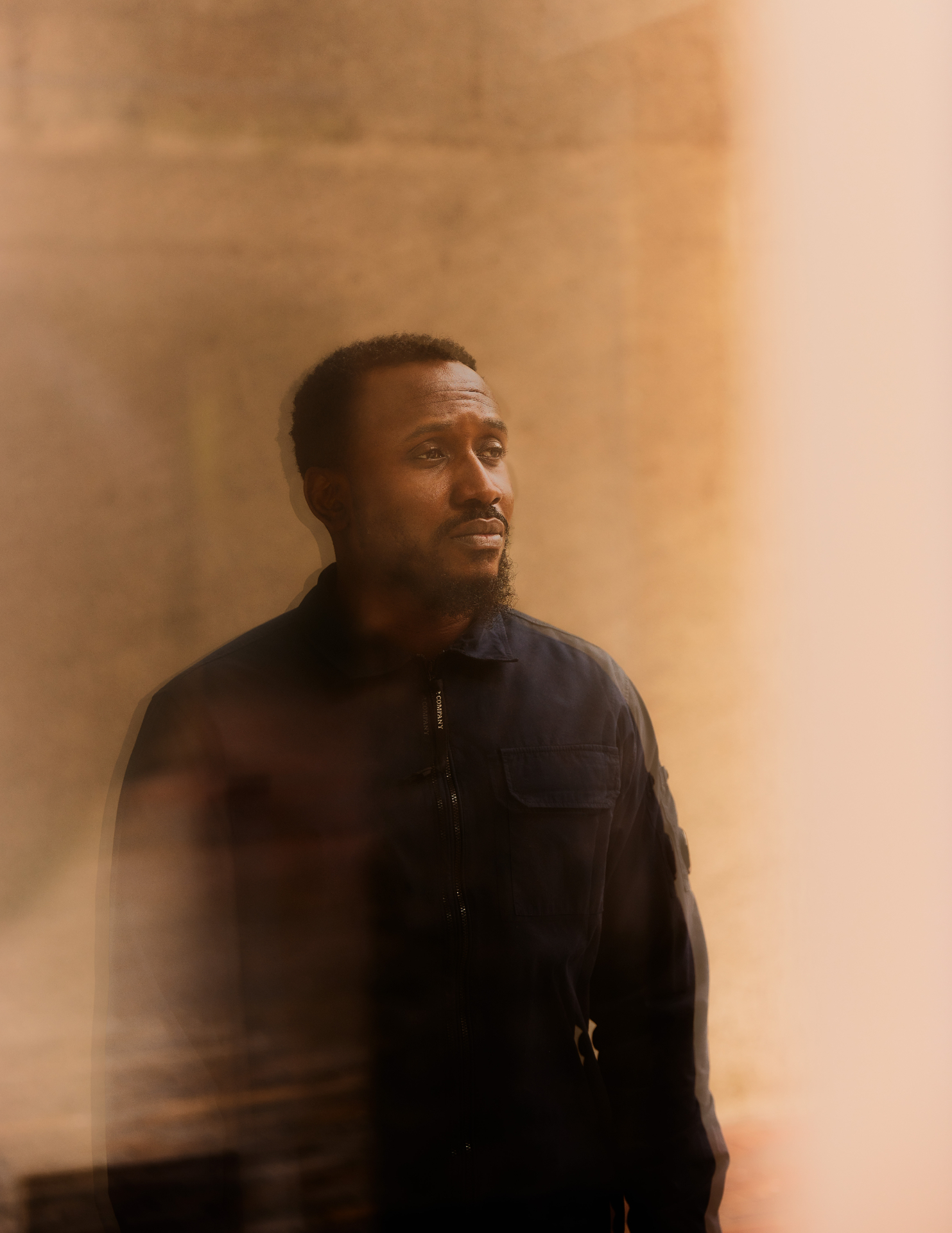
Before I started working with Spark Inside, I’d already spent time around young people in high-risk environments and was starting to understand where my strengths lay — but it was coaching that really clarified things for me. I first experienced it in a session with my line manager. What struck me wasn’t advice or instruction, but questions. Through those questions, I began to hear myself differently. That stayed with me.
When I later trained more formally and eventually began working with Spark Inside, that experience became the foundation of how I coach. With Spark Inside, everything starts before any one-to-one coaching. We begin with group workshops, most often through a programme called the Hero’s Journey. It’s based on Joseph Campbell’s idea that most stories — and most films — follow a shared pattern of change.
I often use films like Taken or The Karate Kid, or stories people already intuitively understand. You start in your ordinary world, something disrupts it, you get a call to adventure. If you accept it, you cross a threshold into the unknown world — tests, allies, enemies. Then comes the crisis point, what Campbell calls the ordeal, sometimes described as “death and rebirth.” After that comes the reward, and then the return home, but you’re not the same person.
Once you see that structure, you start to see it everywhere. The young people recognise it in films they already know. Then we turn the question back onto them: where are you in your own story? We run this in small groups over a series of sessions, with two coaches facilitating. The aim isn’t to teach or lecture — it’s to help them locate themselves inside a process of change that is already happening in their lives. They begin to see they’ve already been through multiple “hero’s journeys,” even if they hadn’t named them that way.
The coaching sessions themselves are simple in structure but deep in practice. They’re usually an hour long every few weeks. The key principle is that the session is self-directed. There is no agenda I bring in. The young person leads.
A really important part of the Spark Inside approach is how we use reflection and identity-building in the group work. One exercise we sometimes use is what we call “possiping”. By this point, the young men have spent time together and shared parts of their lives, so there’s already a level of trust even if they only met in the workshop.
Someone will answer a few prompts about themselves, then step away and turn their back to the group so they can’t see anyone. The group then “possips” about them. The first prompts focus on strengths — qualities they see in the person, things they might not often hear. It can be simple: “he’s loyal,” “he’s funny,” “he looks after his family.” Hearing that from peers, in that environment, can be powerful. It begins to shift how they see themselves.
The second part focuses on what people see for their future. While they speak, facilitators capture the reflections on a flipchart, which is then given back or written up and shared afterwards. There are moments when the room shifts. Someone might become emotional — there have been tears — not because anything negative has been said, but because it may be the first time they’ve heard themselves described positively by people they respect. That reframing sits at the heart of the work.
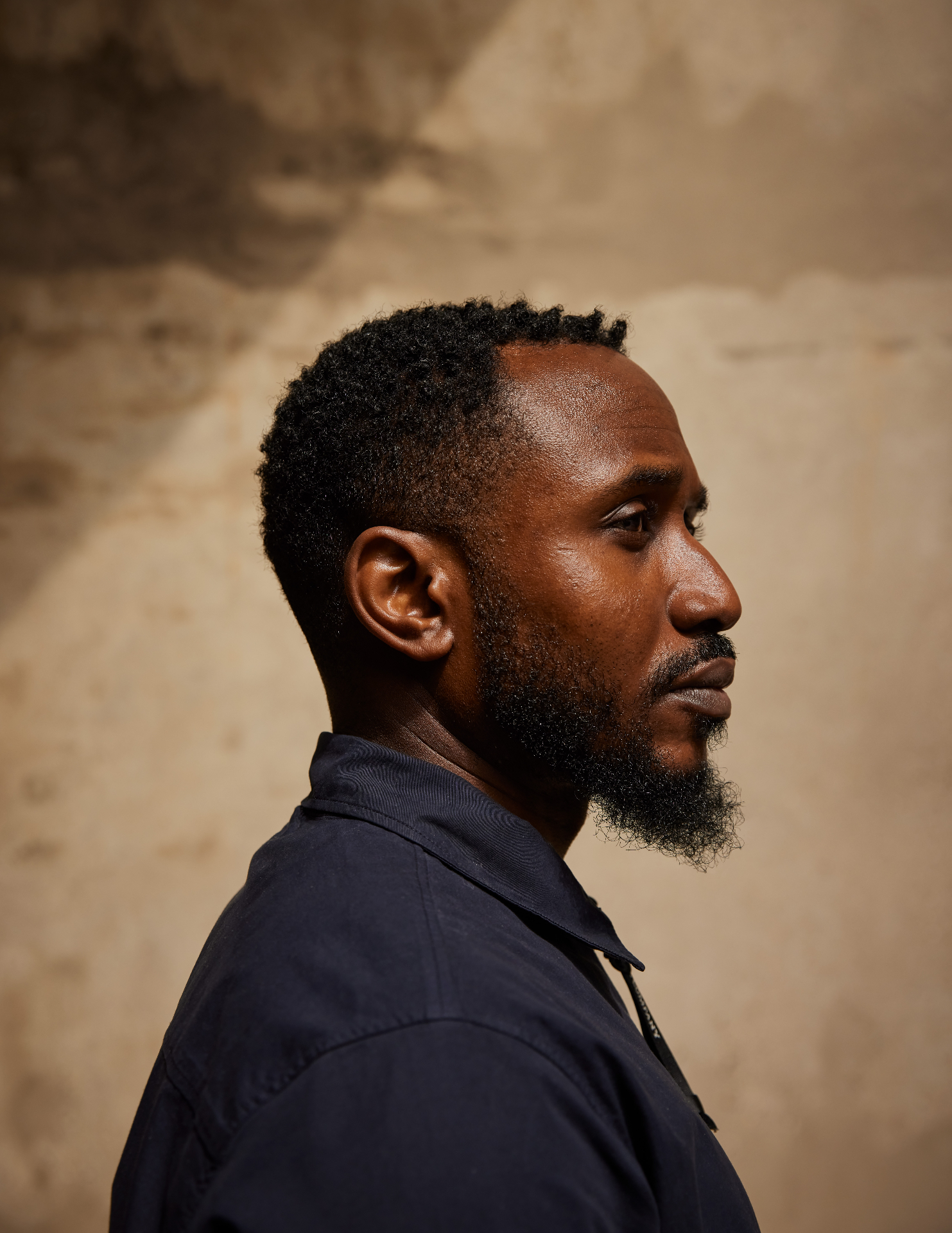
The Hero’s Journey, combined with coaching, is designed to move people from a survival-based identity into a possibility-based identity. Not by ignoring reality, but by widening it. Once coaching begins, my role isn’t to “fix” anything. It’s to support reflection, hold space, and help them explore their own thinking. Sometimes that means challenging beliefs they hold about themselves. Sometimes it means simply listening and letting silence do its work.
Over time, you start to see small shifts. The way someone speaks about themselves changes. The way they describe their future changes. The decisions they begin to consider change. Instead of narratives of risk, reputation, or past behaviour, you start to introduce narratives of capability. People begin to hear themselves differently through others. Across both workshops and coaching, the principle is the same: people are not fixed. They are in motion. And if you help someone see their own agency within that motion, you change how they move through it.
For me, that is what Spark Inside is doing through coaching. It’s not about telling people who they should be. It’s about helping them recognise who they already are, and what else might be possible from there. But ultimately, I’m not the one creating change. I’m facilitating it. If someone wants it, I can walk alongside them. If they don’t, there’s only so much I can do.
What I’m really interested in goes beyond surface-level outcomes. Of course it’s positive if someone gets a job or goes into education. But what matters more is something deeper: a shift in identity. I want someone to reach a point where they know they’re not going back to crime — not because of circumstance, but because that’s no longer who they are. That’s real rehabilitation.
I’ve seen it happen. I’ve worked with people who’ve come out of prison, built careers, gone to university. One young man I coached funded his own GCSEs after release and is now at university. Another, sentenced to over 20 years as a teenager, now runs his own business, employs people, and has built a completely different life. I’m actually godfather to his son. Those stories matter, but what matters more is the internal shift behind them — people who, regardless of what happens, choose a different path. That’s what I’m trying to support. And for me, this isn’t just work. It’s purpose. I don’t see it as something I switch on and off. It’s part of who I am.
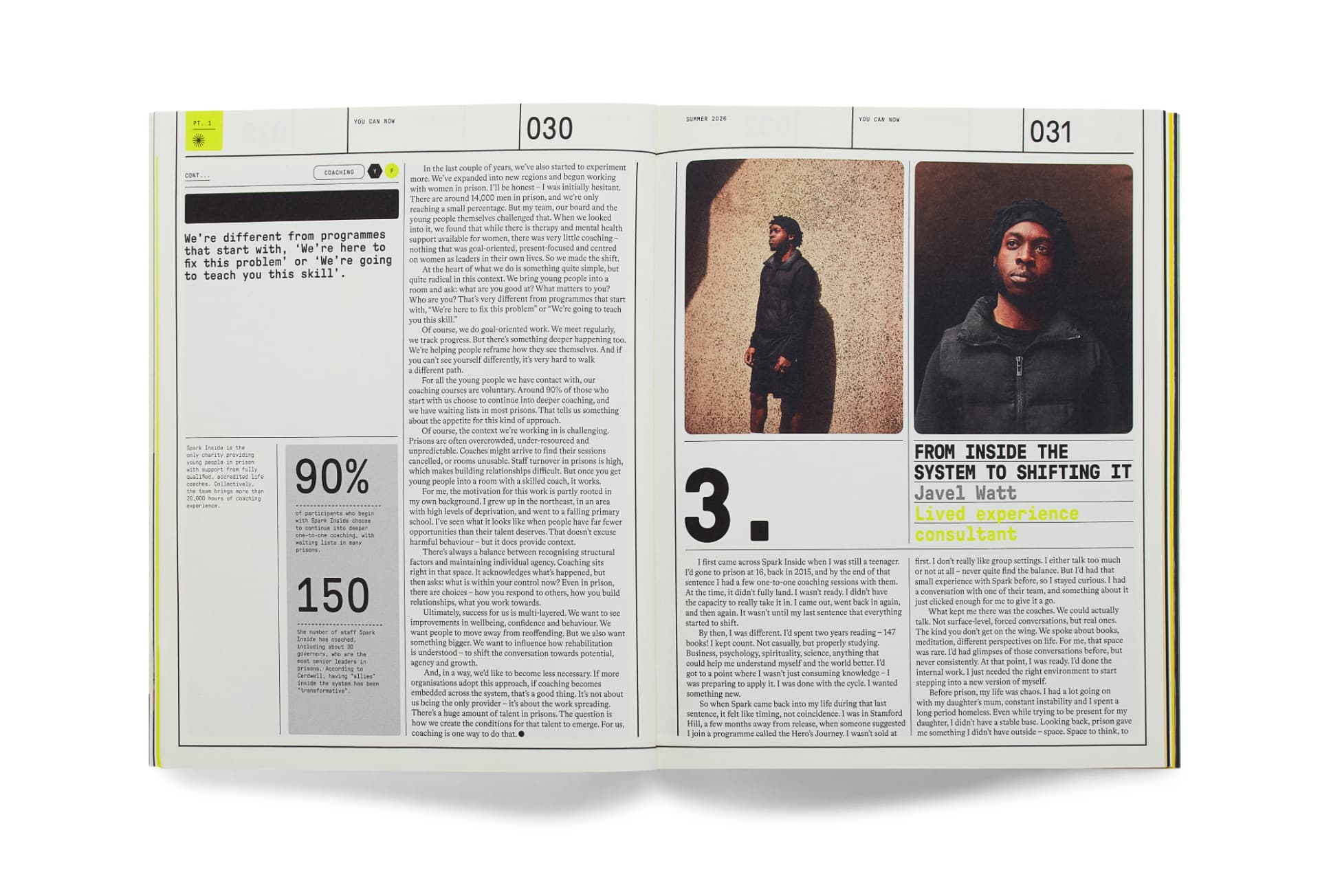
We’re different from programmes that start with, ‘we’re here to fix this problem’ or ‘we’re going to teach you this skill’.
I’m the second CEO of Spark Inside. We’re 14 years old now, which I quite like — we’re a bit of a teenager in the charity world. There’s something about that stage of life that feels right for us: still growing, still questioning, still holding onto a certain energy and openness.
Spark was founded by Baillie Aaron, who had been teaching entrepreneurship in the US before coming to England with the idea of doing something similar in prisons. But very quickly she realised something important. The young people she was working with did have skills, they did have strengths — but they didn’t see that in themselves. When asked what they were good at, the answer was often, “Nothing. I can’t do anything.” There wasn’t a sense of direction or possibility.
The young people themselves gave her two pieces of advice that still run through everything we do. The first was: don’t tell us what to do. The second: don’t give us a curriculum. Considering that around 90% of the young men we work with have been excluded from school, that makes a lot of sense.
So the question became: how do you work with young adults in prison in a way that actually works? For us, coaching felt like the answer. It starts from a fundamentally different place. It’s a model based on what’s right with you, not what’s wrong with you. And for many of the young people we work with, that’s the opposite of what they’ve experienced up to that point.
We began with eight young people in a young offenders institution called Cookham Wood. It went well, and we’ve grown steadily since then. Now we work with around 350 young people a year, the majority of them new to our programmes.
One of the earliest turning points for us came within the first couple of years. We realised that while coaching individual young people was powerful, the environment they were returning to — the culture of the prison — was incredibly challenging. If you were trying to transform outcomes in a school, you wouldn’t just work with the pupils; you’d think about the teachers, the leadership, the whole system. The same applies here. So we made a decision: we wouldn’t just coach young people, we’d try to influence the culture of prisons too.
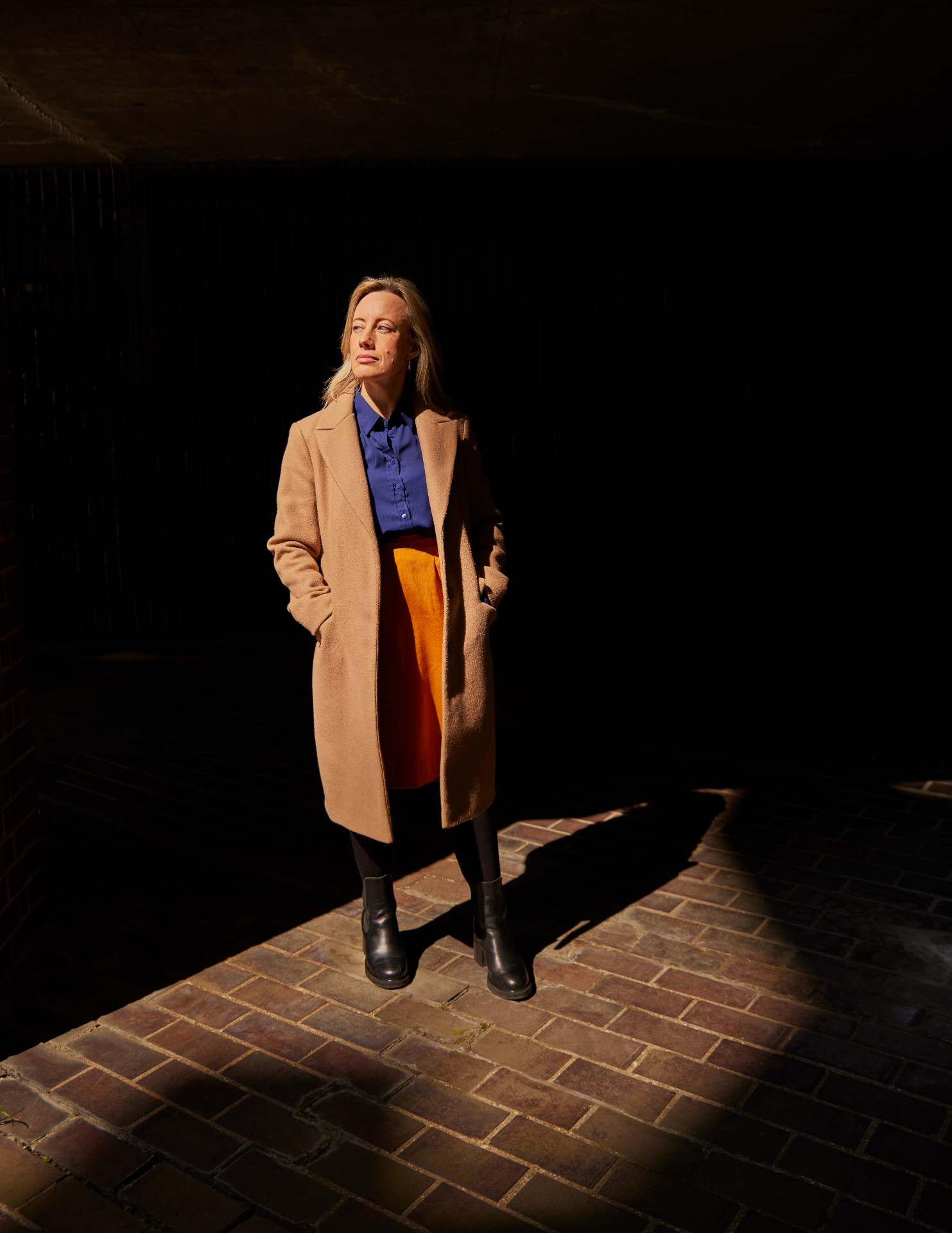
That work accelerated during covid. We couldn’t get into prisons to coach young people, so we asked ourselves what we could do instead. The answer was to start coaching prison staff — frontline officers, managers and governors. Since then, we’ve coached around 150 staff, including about 30 governors, who are the most senior leaders in prisons.
That’s been transformative. If officers start to adopt a coaching approach, it changes how it feels on the wing. It also means we now have allies inside the system. When we enter a prison, officers help us, governors back us. That makes everything more effective.
And importantly, the young people were completely on board with this shift. We asked them directly, because there can be a strong “them and us” mentality. Their response was simple: “If you make them better, that makes our lives easier.”
In the last couple of years, we’ve also started to experiment more. We’ve expanded into new regions and begun working with women in prison. I’ll be honest — I was initially hesitant. There are around 14,000 young men in prison, and we’re only reaching a small percentage. But my team, our board and the young people themselves challenged that. When we looked into it, we found that while there is therapy and mental health support available for women, there was very little coaching — nothing that was goal-oriented, present-focused and centred on women as leaders in their own lives. So we made the shift.
At the heart of what we do is something quite simple, but quite radical in this context. We bring young people into a room and ask: what are you good at? What matters to you? Who are you? That’s very different from programmes that start with, “We’re here to fix this problem” or “We’re going to teach you this skill.”
Of course, we do goal-oriented work. We meet regularly, we track progress. But there’s something deeper happening too. We’re helping people reframe how they see themselves. And if you can’t see yourself differently, it’s very hard to walk a different path.
For all the young people we have contact with, our coaching courses are voluntary. Around 90% of those who start with us choose to continue into deeper coaching, and we have waiting lists in most prisons. That tells us something about the appetite for this kind of approach.
Of course, the context we’re working in is challenging. Prisons are often overcrowded, under-resourced and unpredictable. Coaches might arrive to find their sessions cancelled, or rooms unusable. Staff turnover in prisons is high, which makes building relationships difficult. But once you get young people into a room with a skilled coach, it works.
For me, the motivation for this work is partly rooted in my own background. I grew up in the northeast, in an area with high levels of deprivation, and went to a failing primary school. I’ve seen what it looks like when people have far fewer opportunities than their talent deserves. That doesn’t excuse harmful behaviour — but it does provide context.
There’s always a balance between recognising structural factors and maintaining individual agency. Coaching sits right in that space. It acknowledges what’s happened, but then asks: what is within your control now? Even in prison, there are choices — how you respond to others, how you build relationships, what you work towards.
Ultimately, success for us is multi-layered. We want to see improvements in wellbeing, confidence and behaviour. We want people to move away from reoffending. But we also want something bigger. We want to influence how rehabilitation is understood — to shift the conversation towards potential, agency and growth.
And, in a way, we’d like to become less necessary. If more organisations adopt this approach, if coaching becomes embedded across the system, that’s a good thing. It’s not about us being the only provider — it’s about the work spreading. There’s a huge amount of talent in prisons. The question is how we create the conditions for that talent to emerge. For us, coaching is one way to do that.
of participants who begin with Spark Inside choose to continue into deeper one-to-one coaching, with waiting lists in many prisons.
the number of staff Spark Inside has coached, including about 30 governors — the most senior leaders in prisons. According to Cardwell, having “allies” inside the system has been “transformative”.
Inside, I’d spent two years reading — 147 books! Not casually, but to understand myself and the world better.
I first came across Spark Inside when I was still a teenager. I’d gone to prison at 16, back in 2015, and by the end of that sentence I had a few one-to-one coaching sessions with them. At the time, it didn’t fully land. I wasn’t ready. I didn’t have the capacity to really take it in. I came out, went back in again, and then again. It wasn’t until my last sentence that everything started to shift.
By then, I was different. I’d spent two years reading — 147 books! I kept count. Not casually, but properly studying. Business, psychology, spirituality, science, anything that could help me understand myself and the world better. I’d got to a point where I wasn’t just consuming knowledge — I was preparing to apply it. I was done with the cycle. I wanted something new. So when Spark came back into my life during that last sentence, it felt like timing, not coincidence.
I was in HMP Standford Hill, a few months away from release, when someone suggested I join a programme called the Hero’s Journey. I wasn’t sold at first. I don’t really like group settings. I either talk too much or not at all — never quite find the balance. But I’d had that small experience with Spark before, so I stayed curious. I had a conversation with one of their team, and something about it just clicked enough for me to give it a go.
What kept me there was the coaches. We could actually talk. Not surface-level, forced conversations, but real ones. The kind you don’t get on the wing. We spoke about books, meditation, different perspectives on life. For me, that space was rare. I’d had glimpses of those conversations before, but never consistently. At that point, I was ready. I’d done the internal work. I just needed the right environment to start stepping into a new version of myself.
Before prison, my life was chaos. I had a lot going on with my daughter’s mum, constant instability and I spent a long period homeless. Even while trying to be present for my daughter, I didn’t have a stable base. Looking back, prison gave me something I didn’t have outside — space. Space to think, to read, to rebuild. When I engaged with coaching properly, it wasn’t about someone fixing me. I already understood that no one can do that. It’s about helping you help yourself. And I was finally open to that.
The first two times I came out of prison, I was motivated, driven, full of ideas — but I went back to the same environment, the same people. I’d be talking about business ideas, different ways of living, and it just didn’t land. Not because they were bad people, but because they hadn’t had the same experiences. So eventually, I’d drift back into what I knew.
This time was different. Through Spark, I stepped into a new community. People who had also been inside, but were actively trying to change. People who understood both where I’d come from and where I was trying to go. That meant I didn’t have to hide any part of myself. That environment pushed me. I’m competitive by nature, so seeing what others had achieved — one year out, two years out — it made me think, “Alright, let’s see what I can do.” We were all bouncing off each other, holding each other accountable without even trying to. That’s what sustained the change.
After completing the programme, I was invited to become a Champion. That’s where everything really started to solidify. Being a Champion isn’t just a title. Even the way we’re addressed — “young kings” — it shifts how you see yourself. You start to carry yourself differently. And the relationships matter. It’s not just professional. There are boundaries, but there’s also genuine care. The kind where you think, yeah, I’d invite these people to my wedding.
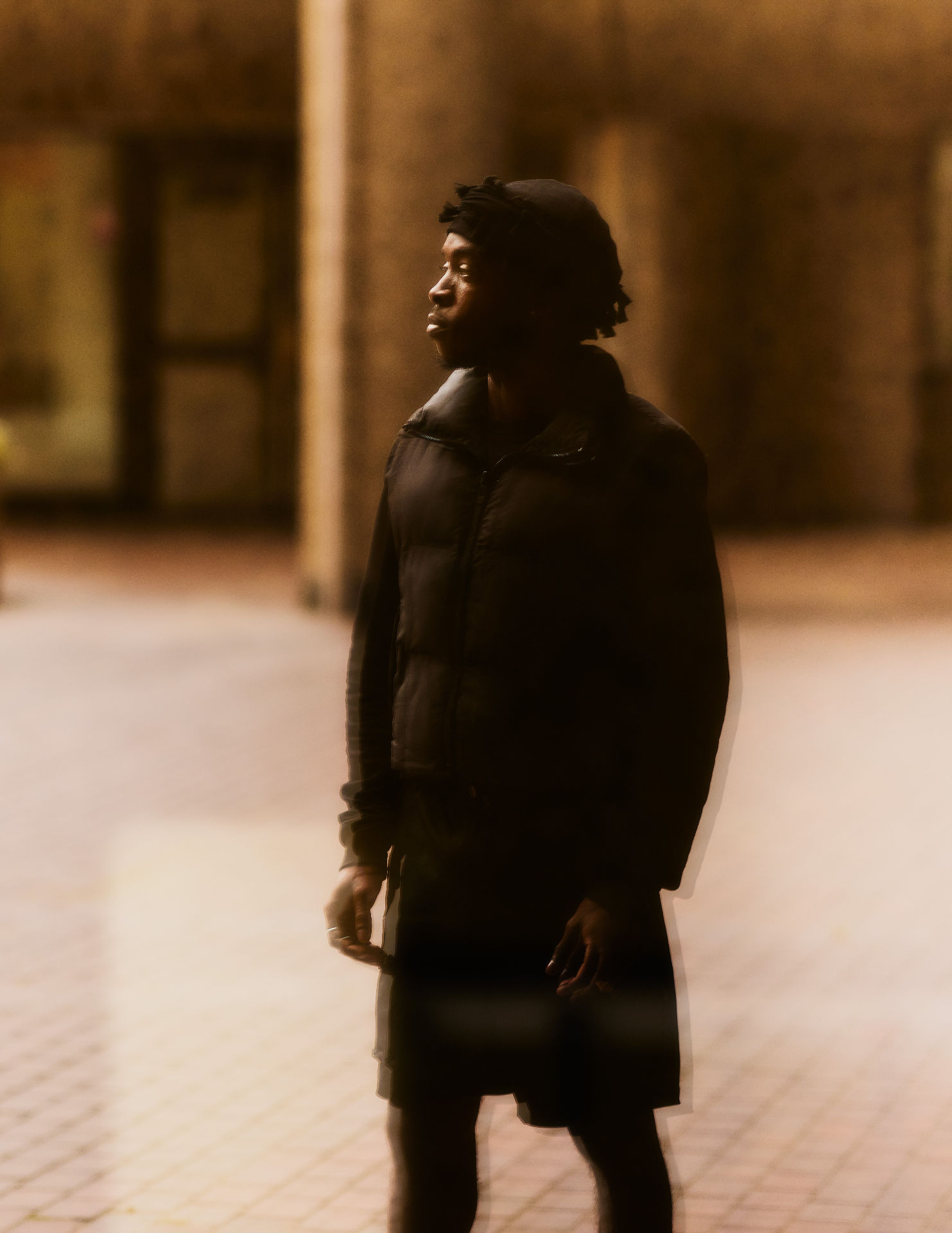
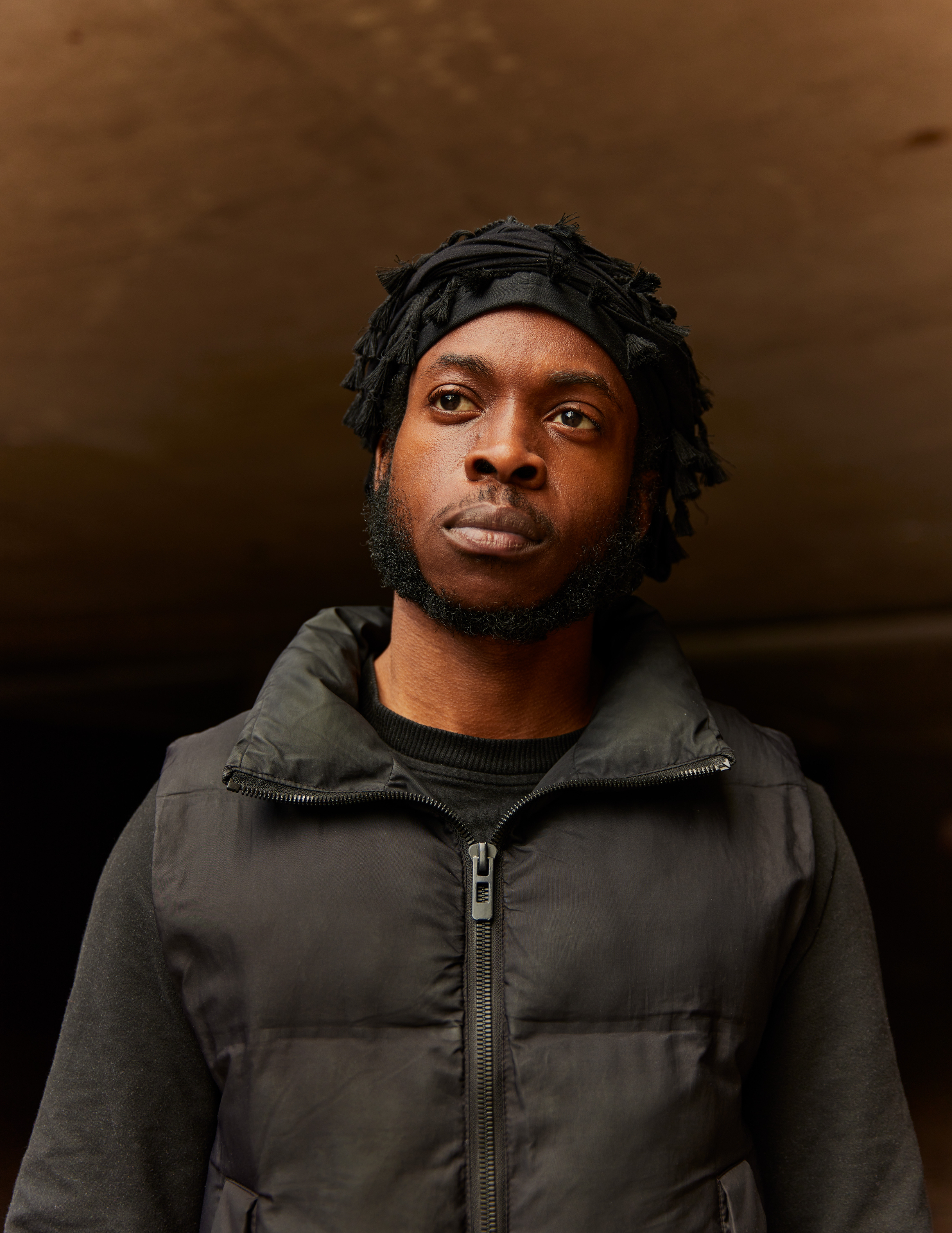
We do real work too — interviewing new coaches, contributing to policy, building projects like our mental wealth toolkit. That’s something I’m proud of. We wanted to reframe how people see mental health. Not just fixing what’s wrong, but investing in yourself so you can thrive. It’s about building something sustainable, not just surviving.
Alongside that, I started thinking seriously about how to turn everything I’d learned into something bigger. In March 2025, I founded Beyond The Narrative, a company focused on helping people with lived experience turn their stories into tools that can support others.
When I came out this last time, I was still struggling. I had temporary accommodation for a couple of months, but then I was homeless again — sleeping in my car, sofa surfing. At the same time, I had my daughter from Friday to Monday every week. So I had to figure out where we were going to stay, how to create some sense of stability for her, even when I didn’t have it for myself.
And I was still showing up. Speaking at events, doing work — often unpaid. Spending money I didn’t have on travel, on food, just to be in the room. People would call it an “opportunity,” but there wasn’t always an understanding of what it actually cost me to be there. That’s why I care so much about changing how organisations work with people who have lived experience. It comes down to one thing: compassion. Not just seeing the transformation on the surface, but understanding what’s underneath it. The ongoing reality.
Now, things are different. I’ve got housing. I’m building my company. I’m still working with Spark, still part of that community that helped me change my trajectory. And I’m raising my daughter with a completely different mindset than I had before.
Everything I do now is intentional. I like to say I’m moving from inside the system to shifting it. It’s about building something that lasts — not just for me, but for others coming through the same path. Because I know what it’s like to feel like there’s no options. And I also know that’s not true. Sometimes you just need the right environment, the right support and the right moment for it to finally click.

“I started Beyond The Narrative from a realisation I had inside,” says Javel Watt. “People kept talking about ‘lived experience’, but I didn’t see it as a real opportunity at first. A lot of people were just telling their stories. For me, that wasn’t enough. I wanted to create tools — things people could actually use to change their lives. So I built workshops: Spot the Ops, which flips the idea of ‘opposition’ into ‘opportunities’, helping people see business potential in everyday life; and Collective Individualism, which is about finding yourself before you try to fit into a community. The goal is bigger than me. I want to train other people with lived experience to become facilitators, consultants — people who can build careers from what they’ve been through. Because the reality is, without real opportunities, it’s easy to fall back into old patterns. And I’ve lived that reality.”
Learn more about the work of Spark Inside.
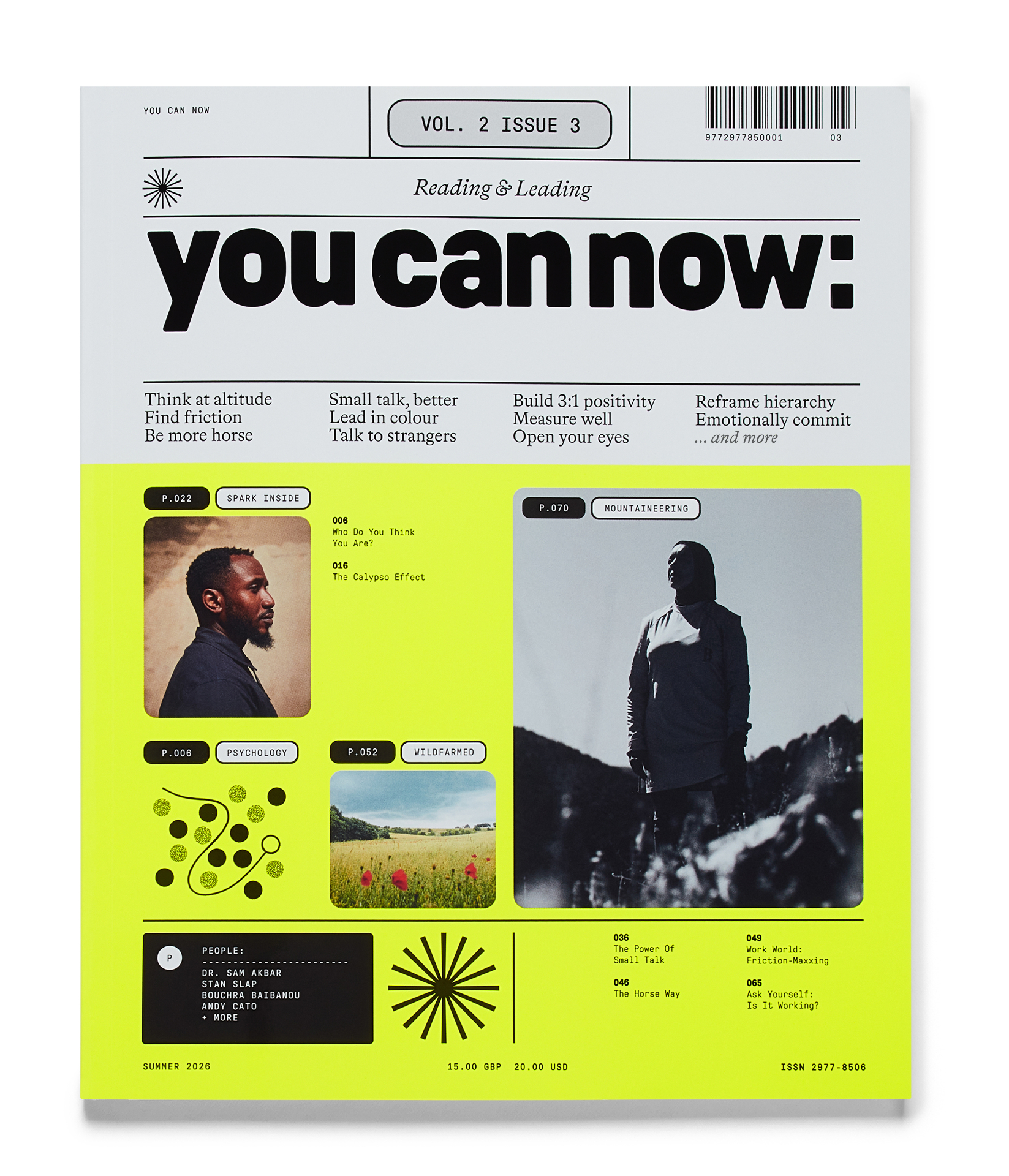
This feature originally appeared in the pages of the Summer 2026 issue of You Can Now Magazine.