
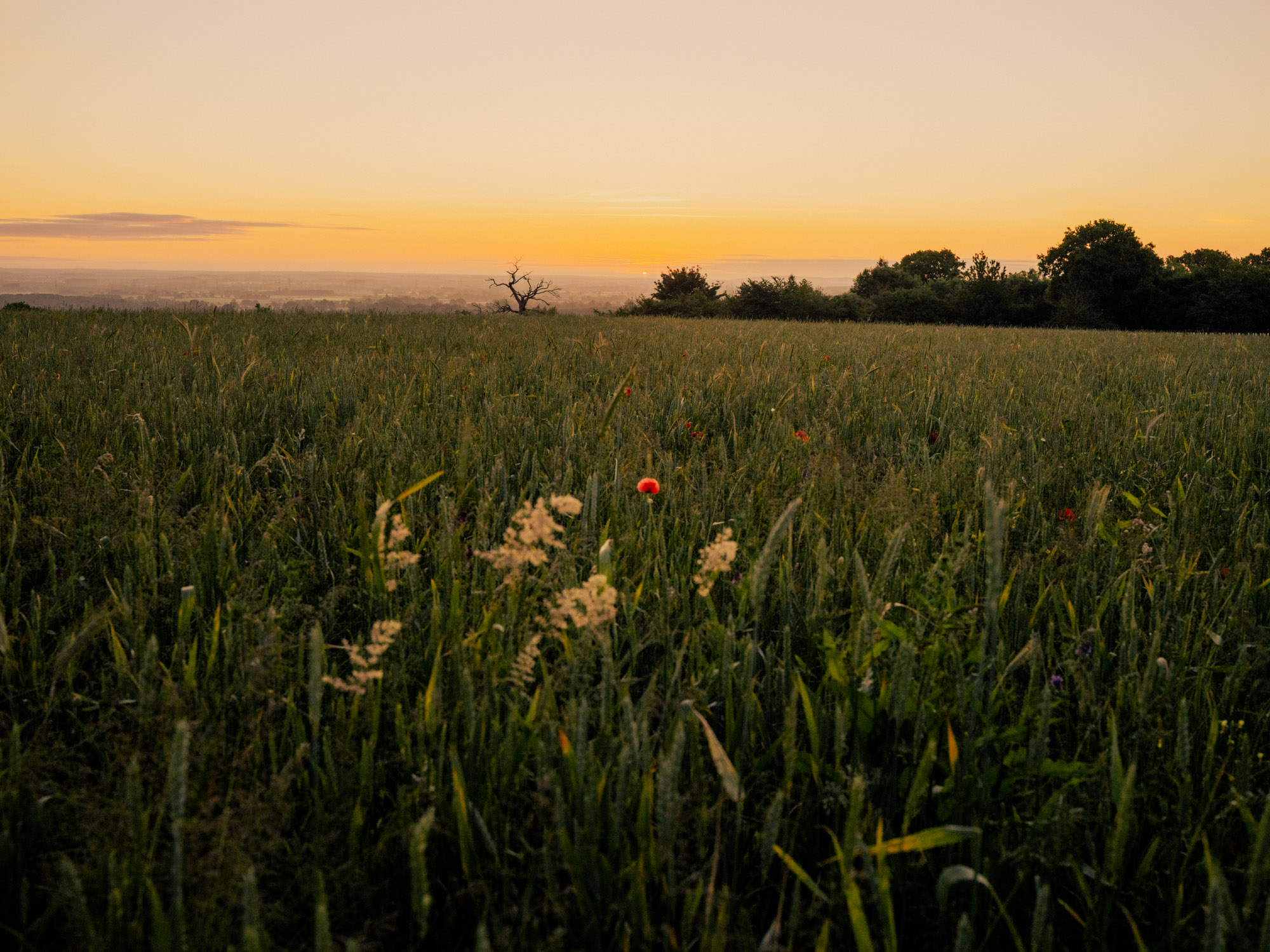
The company’s co-founders Andy Cato, Edd Lees and George Lamb on scaling regenerative farming from its 2018 origins to more than 1,000 food businesses — and the leadership principles shaping their mission-driven growth.
How has Wildfarmed evolved since the company’s inception?

When I began farming in France, it was a humbling lesson in how much patience it takes to restore degraded soils and ecosystems while still growing food. The years of experimentation that followed eventually led to a farm bakery, and it was there, standing in the yard with Edd and George, that something clicked. We watched bakery customers make choices based on their health, or because the food tasted great, or simply to support food grown in nature-rich fields. Whatever the reason, they had real agency. That felt like the beginning of something. With so little ecological runway left, the Wildfarmed mission became about making that sense of agency available to high street shoppers, and supporting as many farmers as possible to move from a model that only rewarded quantity to one that also valued quality — both of the grain itself and the ecosystem it’s grown in. That meant building something that, to our knowledge, didn’t really exist: a supply chain traceable from field to plate, in a world where grain is traded as a global commodity and nobody asks who grew it or how.
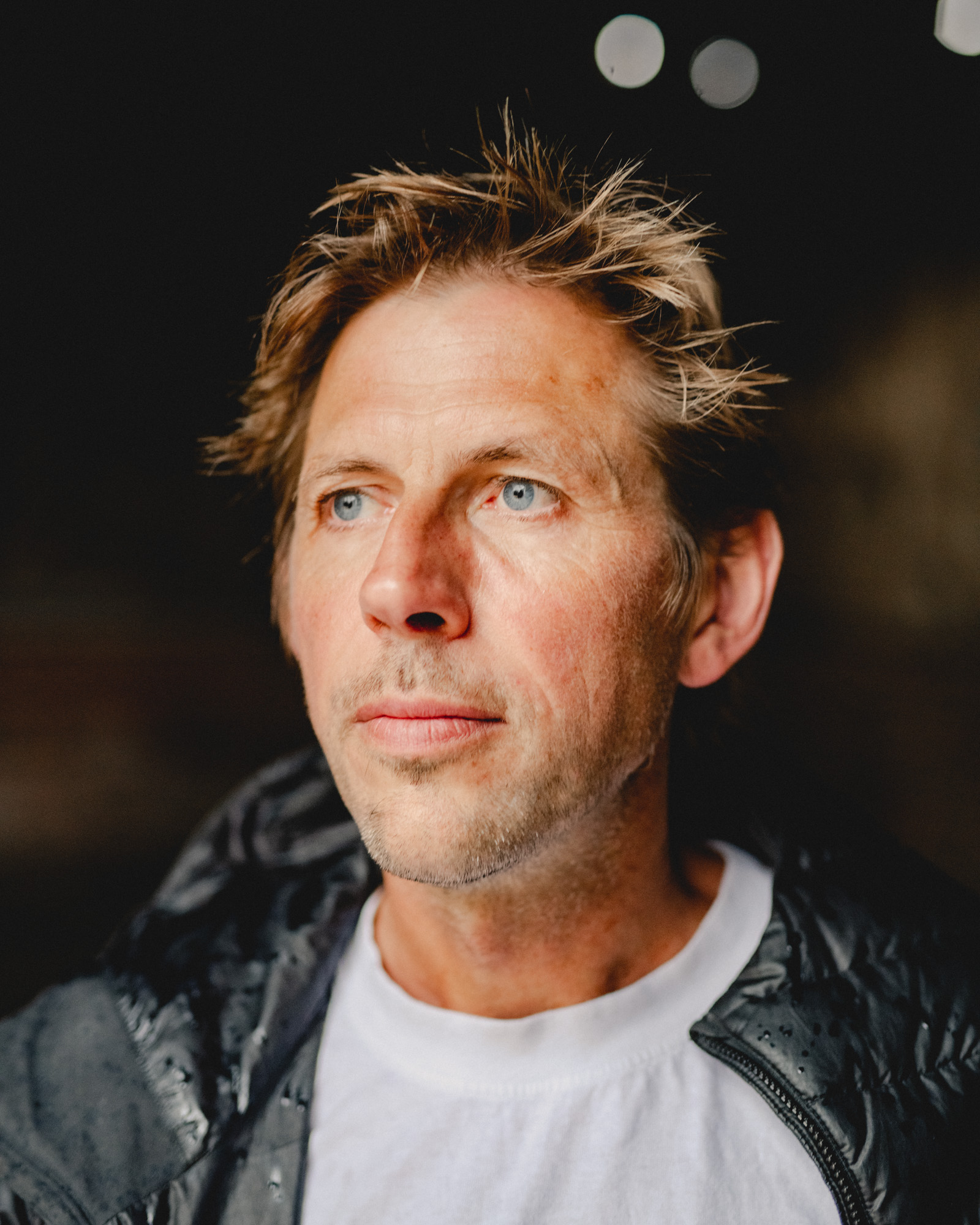
Nearly 20 years ago, Andy Cato read about the environmental impact of food production and was inspired to turn his garden in France into a veg patch – and eventually selling the rights to his Groove Armada songs to buy a nearby farm.
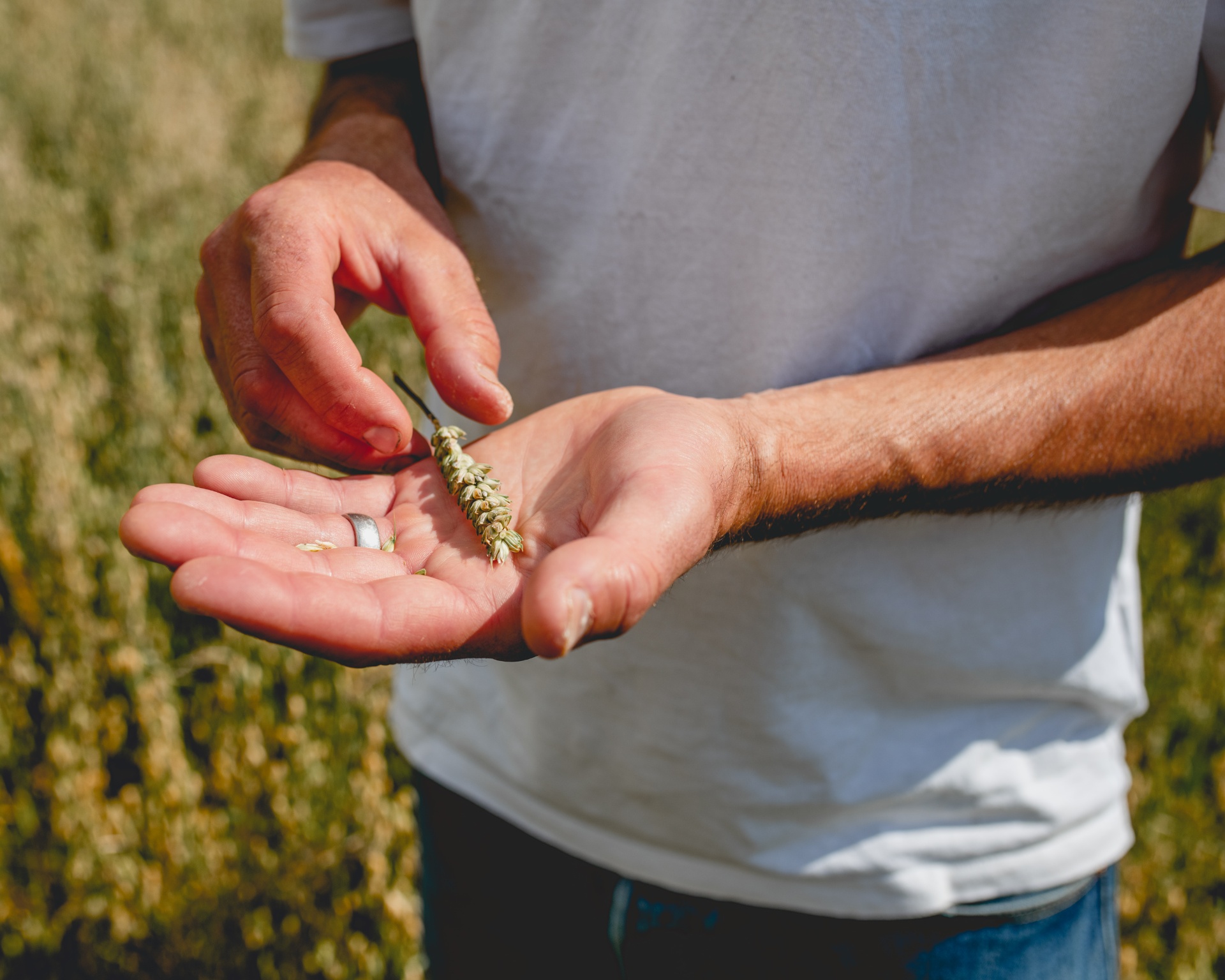
In 2024, we took the next big step, launching our own range of bread and flour at Waitrose, with Ocado and Tesco following the year after. Whatever the product, the essential difference Wildfarmed offers is knowing who grew your food and how they grew it. We’re forever grateful to those who were with us from the beginning, but meaningful change in the food system requires transformation at scale. Getting regenerative food onto supermarket shelves was always part of the plan, because if you’re not working with the companies that sell 90% of retail food in this country, the scale of change the food system needs will never happen. That’s not pessimism — it’s about the momentum we’re trying, and need, to build.
How do you define leadership within Wildfarmed? What values guide how you lead your teams?
It’s about building the conditions for people to do great things together. The values that matter in our London office are the same ones that matter in the fields: always ask why, avoid dogma — and be honest about how much there is still to learn.
That energy runs through everything. I like to sit in the middle of the office, right next to the rest of the team. As founders, we’re hands-on and involved in the day-to-day, and as businesses grow, that closeness is often one of the first things to go. We were adamant that wouldn’t happen to us. We probably drive the rest of the team a bit mad with our chat, but we genuinely wouldn’t have it any other way. The buzz in that office is something we work hard to protect.
Real leadership here means caring about the mission more than your ego. That runs through everything we do. I still find it energising that so many brilliant people have chosen to be part of this, united by a shared drive to make something that actually matters. That’s not something you take for granted. We moved office at the end of last year, and over the past few months we’ve focused on making the new space feel like Wildfarmed’s home. We’ve always got music on, fresh bread (obviously) in the kitchen, alongside pretty much every condiment you can think of. The office setup has involved a fair amount of bright green paint, disco balls, and rave posters. It’s something we’ve prioritised, because it’s important that the space reflects the full-of-life energy of the business and is somewhere everyone can enjoy.
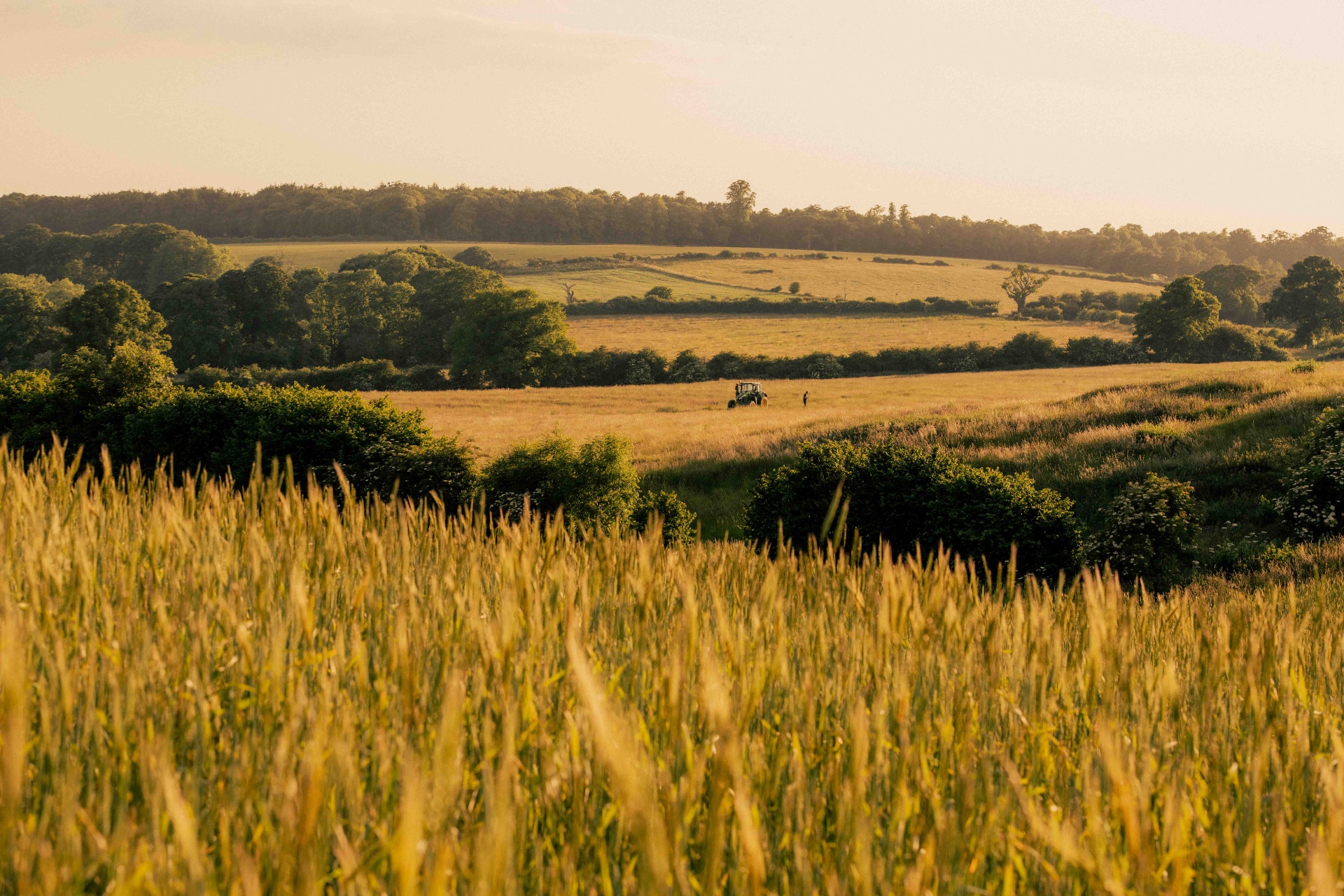
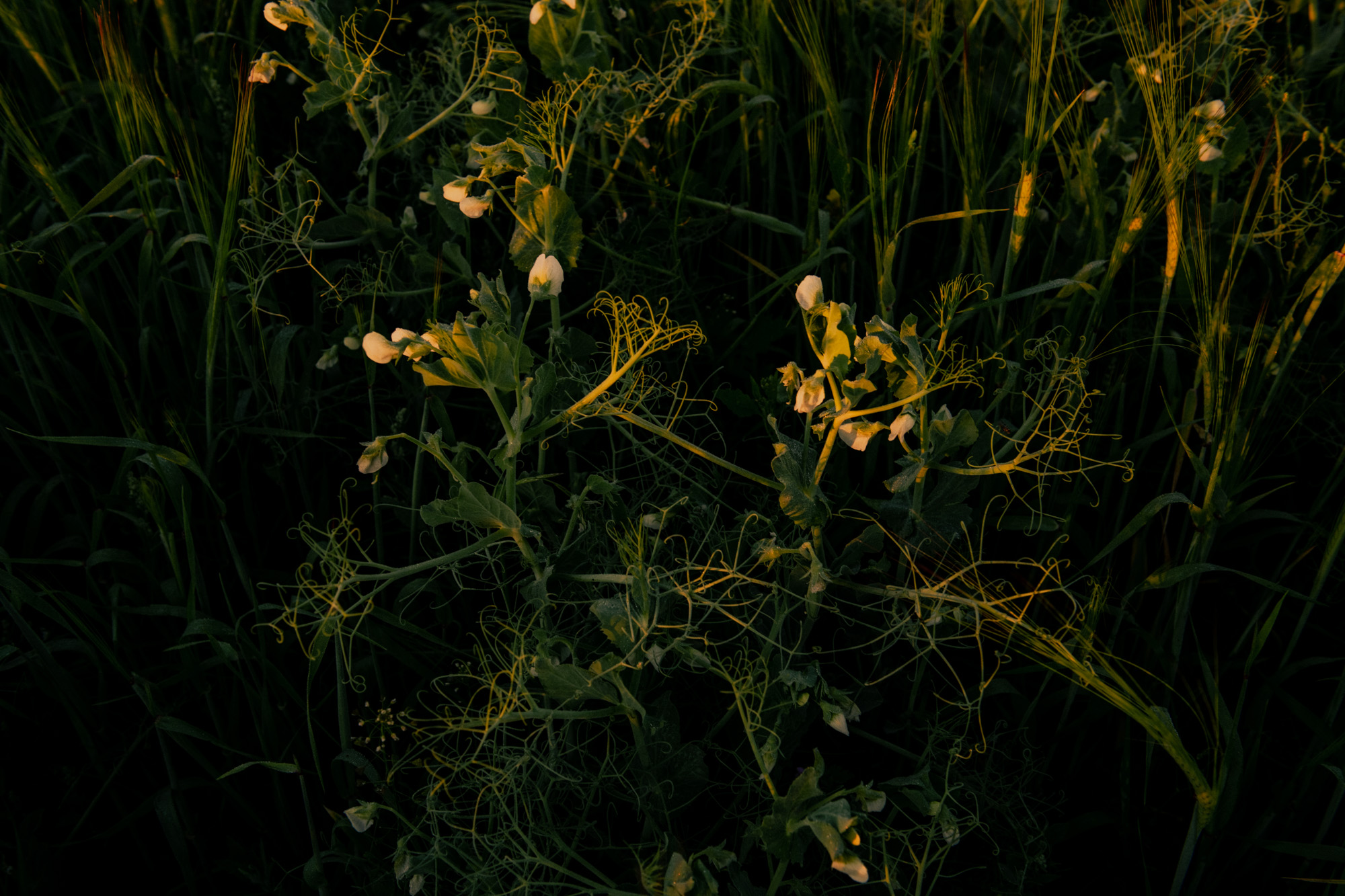
Regenerative farming improves, rather than depletes, natural ecosystems — supporting healthier crops, more pollinators and cleaner waterways.
How do you balance innovation in your business with the development of the people behind it?
Honestly, I don’t think they’re separate things. When I started out, finance and tech were pulling in the best talent. That’s changed. More and more people from all kinds of sectors are looking for something more meaningful, and the quality of people walking through our doors — and into green industries more broadly — is genuinely exceptional. The energy, problem-solving and creativity they bring is remarkable. My job is to build an environment where that talent can move fast, think boldly, and make the biggest impact. When the mission is clear, innovation tends to follow.
Can you share an example of a leadership challenge you faced and how it shaped the culture of the company?
When I first started farming in France, there were some really difficult and very lonely moments out in the fields, wondering what on earth I was doing. That experience left a real mark on me. When we founded Wildfarmed, it was important that we created an environment where farmers could genuinely come together — not just a network of people doing the same thing in isolation, but a real community. People often don’t realise how lonely farming can be as a profession. We wanted to make sure we weren’t only supporting our growers through the transition to regenerative agriculture with agronomy advice and a premium price for their grain, but also through the ups and downs of farming life. That’s something I’m incredibly proud of. One of the first things we did was set up a WhatsApp group for our farmers — not as a nice extra, but as genuine business infrastructure, as important as peer-to-peer advice, operational support, and the events we run to bring the community together. It’s still going strong. Our 100 or so growers are in it all the time, sharing pictures of their crops, asking questions and helping each other out. Last week, one of our longtime growers posted a couple of Groove Armada CDs he’d found while clearing out his cupboards. Full circle, for sure.
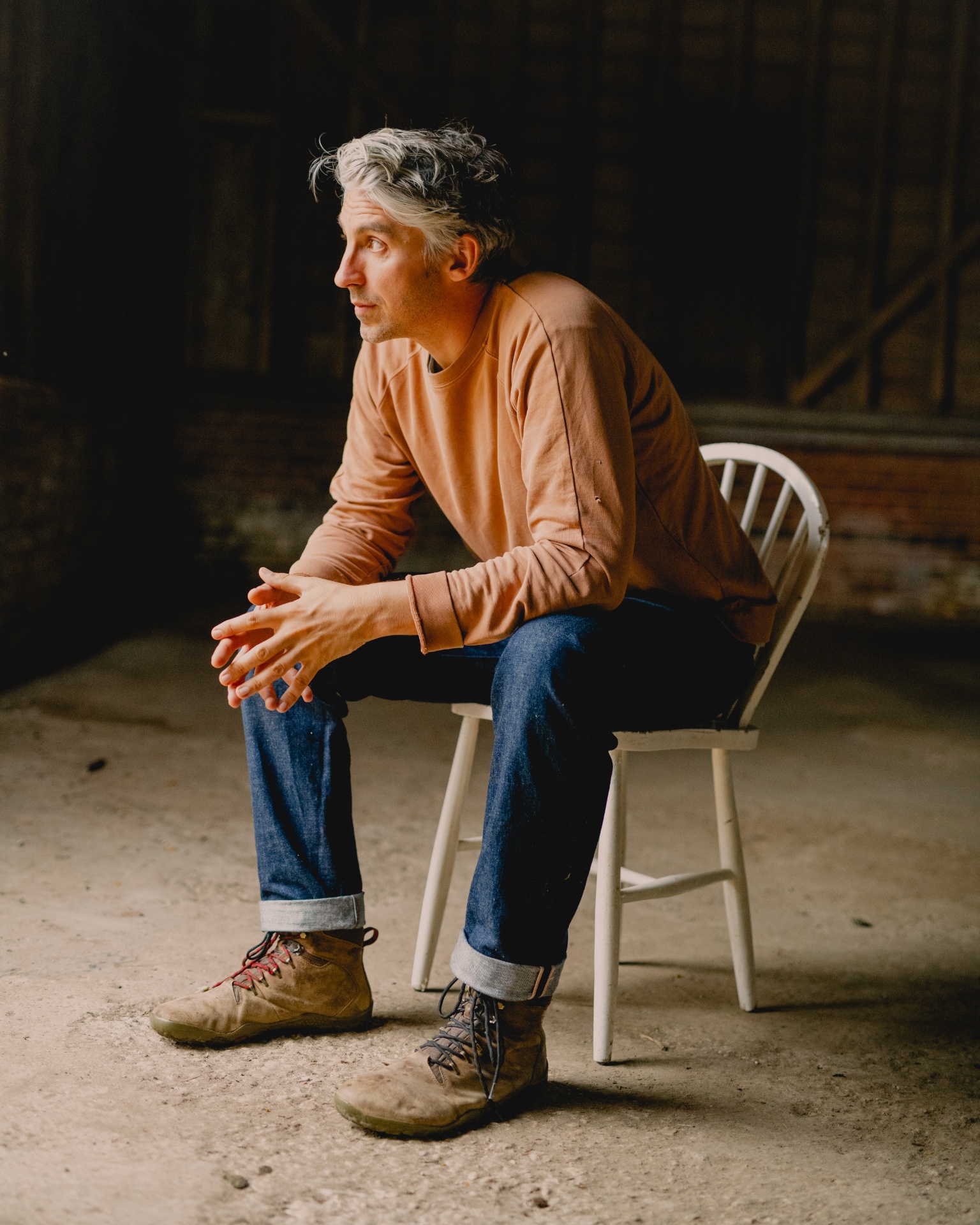
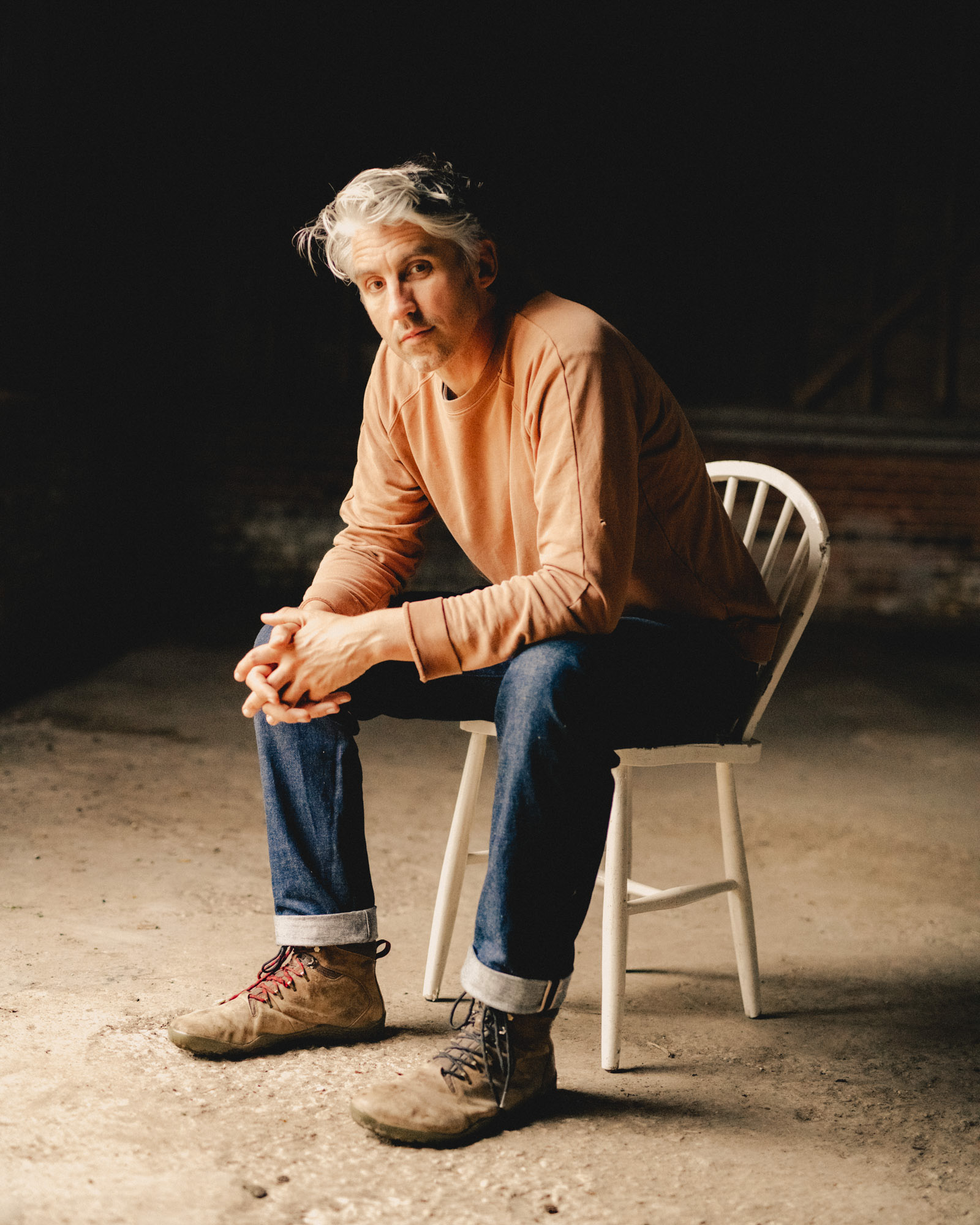
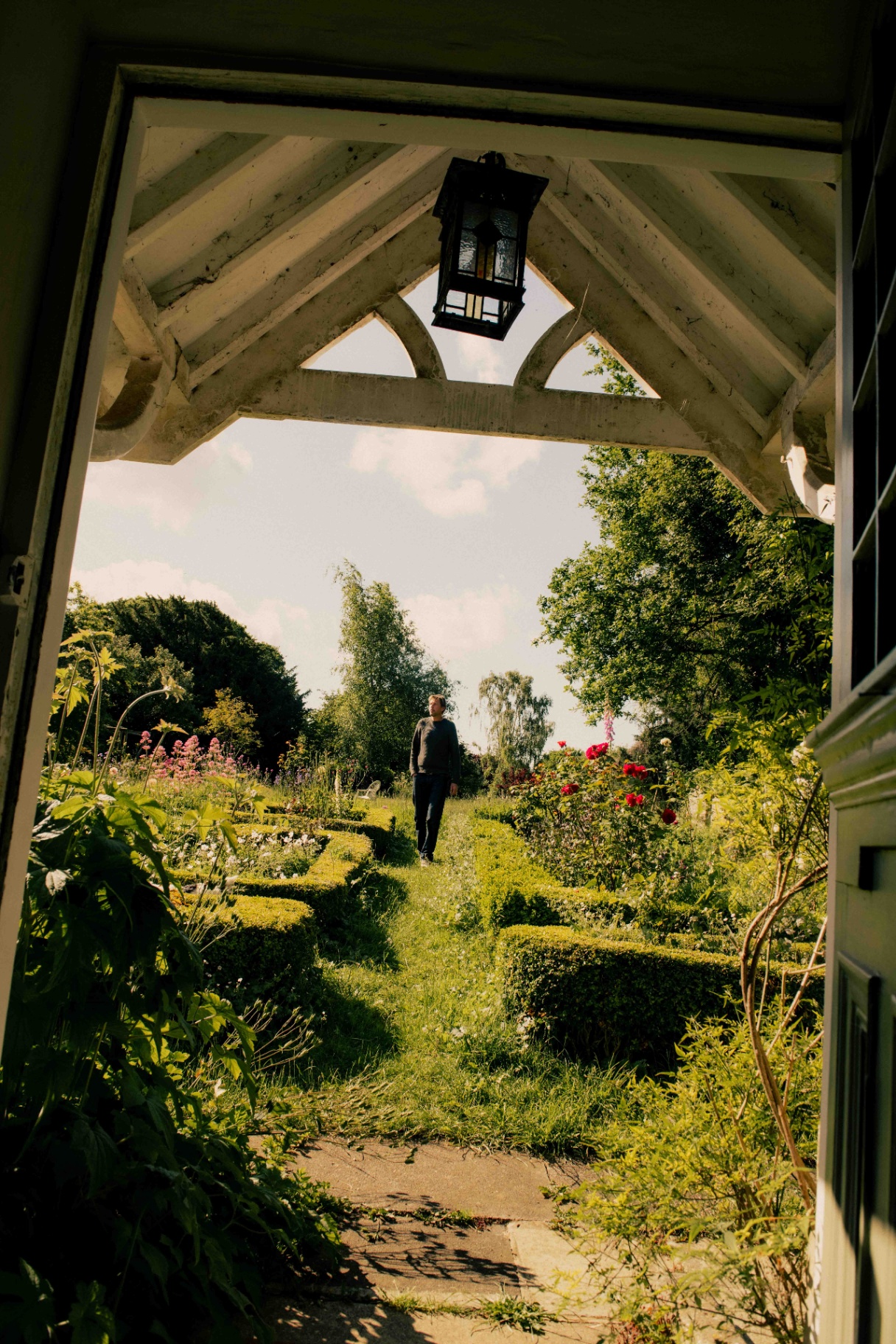
After a career in entertainment, George Lamb shifted focus in 2012 to create social impact. A chance encounter with Andy Cato led him to becoming a co-founder of Wildfarmed in 2018.
What practices or rituals does Wildfarmed have that support team development and strong leadership?
Radical honesty and direct feedback. Brands change consumer behaviour, and that same clarity of thinking applies internally. Everyone should know exactly what we’re building, why it matters and where they fit into it. The only way we reach our goals is if the whole team is not just aligned but genuinely fired up to get there. Clarity creates momentum.
We kick off every week with our Monday huddle — a ritual that goes back to the beginning, when we’d gather in our first office to plan the week ahead. The format hasn’t changed much, and that’s the point. We meet in the kitchen, celebrate wins from the week before, and get excited about what’s coming. The senior team take it in turns to lead it, which keeps it fresh and full of energy. One rule: keep it short. Everyone’s busy, but 20 minutes to lift your head and think about the bigger picture is worth it. And when there’s something to celebrate — a new retailer, a new product — we go big. Bumblebee costumes, giant supermarket maps, shelfie competitions, friends and family posing with baked goods across the country. Having the whole team, from finance to farming, involved in the celebrations is what makes it feel different. You can feel it in the room.
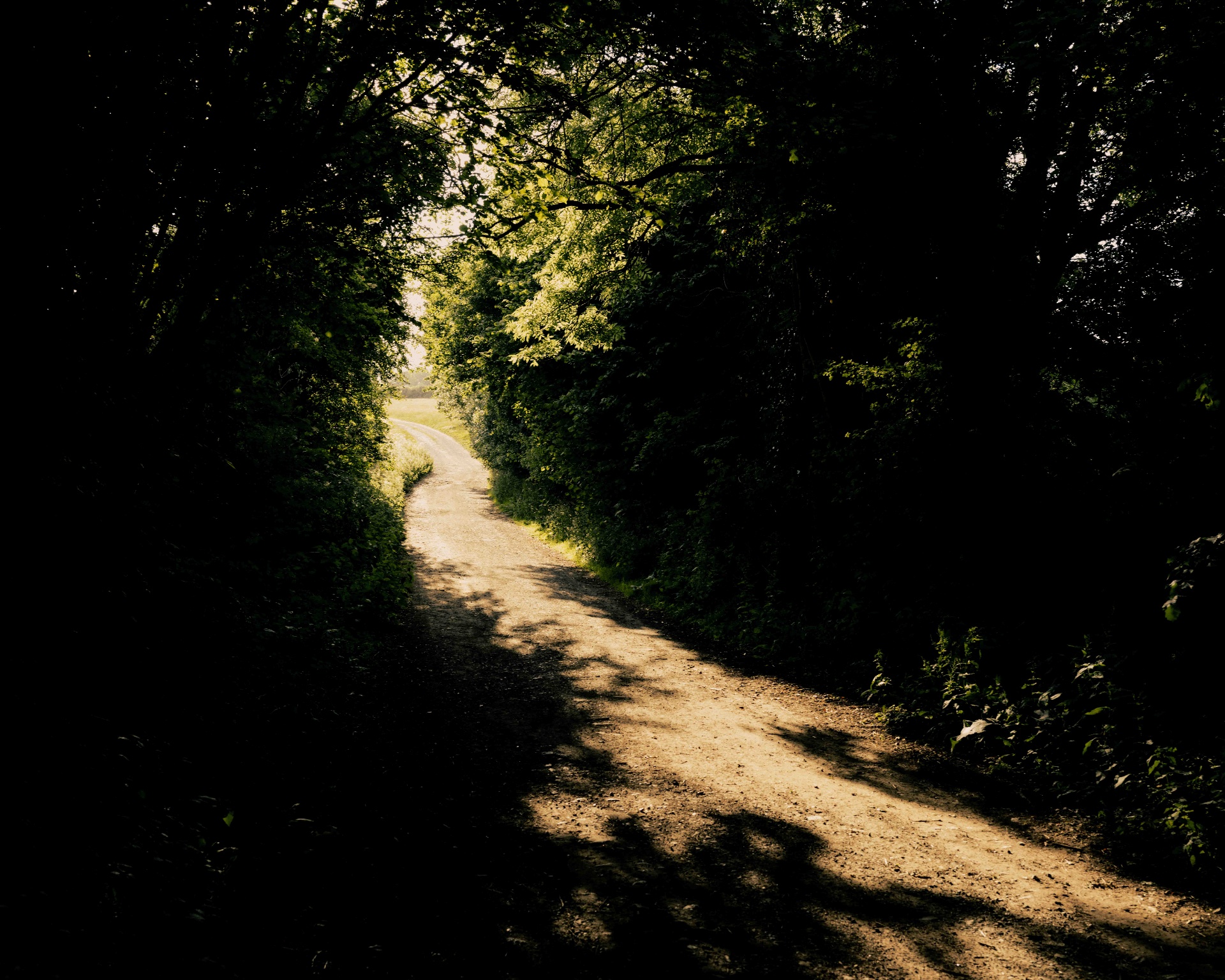
What began as a single field in France has grown into a network of farmers, bakers and chefs reshaping how food is grown – and what it can do for the planet.
How do you ensure the company’s mission and values are reflected not just in your products, but in leadership and culture?
Sustainability and brand are two branches of the same tree at Wildfarmed, and the same is true of mission and culture. We measure what we do because impact only matters if you can show it. And we try to be transparent about what we know, what we don’t, and what we’re still figuring out — because that’s the only honest way to lead.
The best example is our annual field days — two days each year when the whole Wildfarmed team, along with customers, research partners, and friends from across the supply chain, come out to my farm near Swindon. They always go by in a flash, but they do more for how we think and lead than any away day could. Standing in the fields with birds overhead, good food, a cold beer in hand and people doing something meaningful together — it reminds everyone what we’re here to do. We try to bottle that feeling and bring it back into everything else.
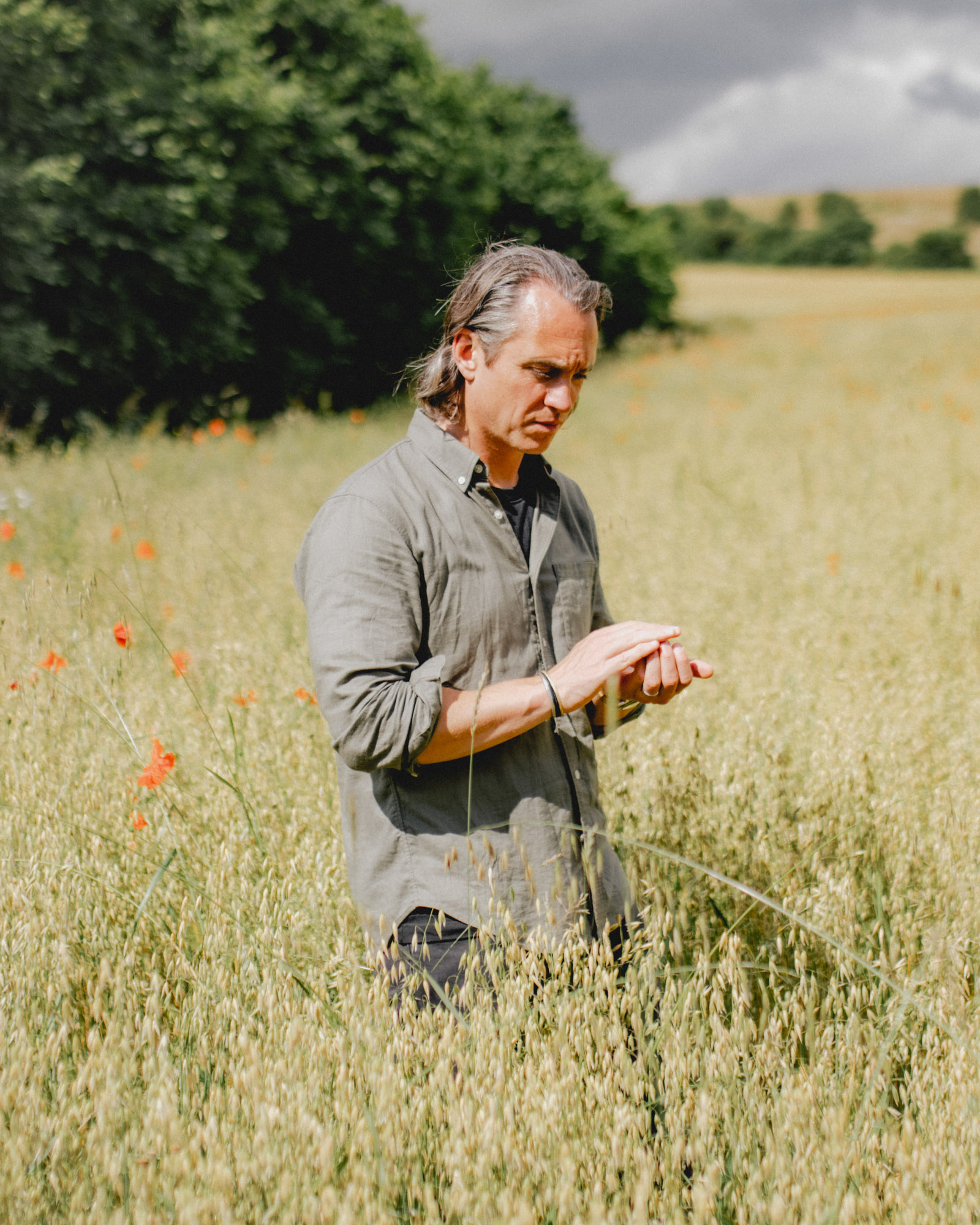
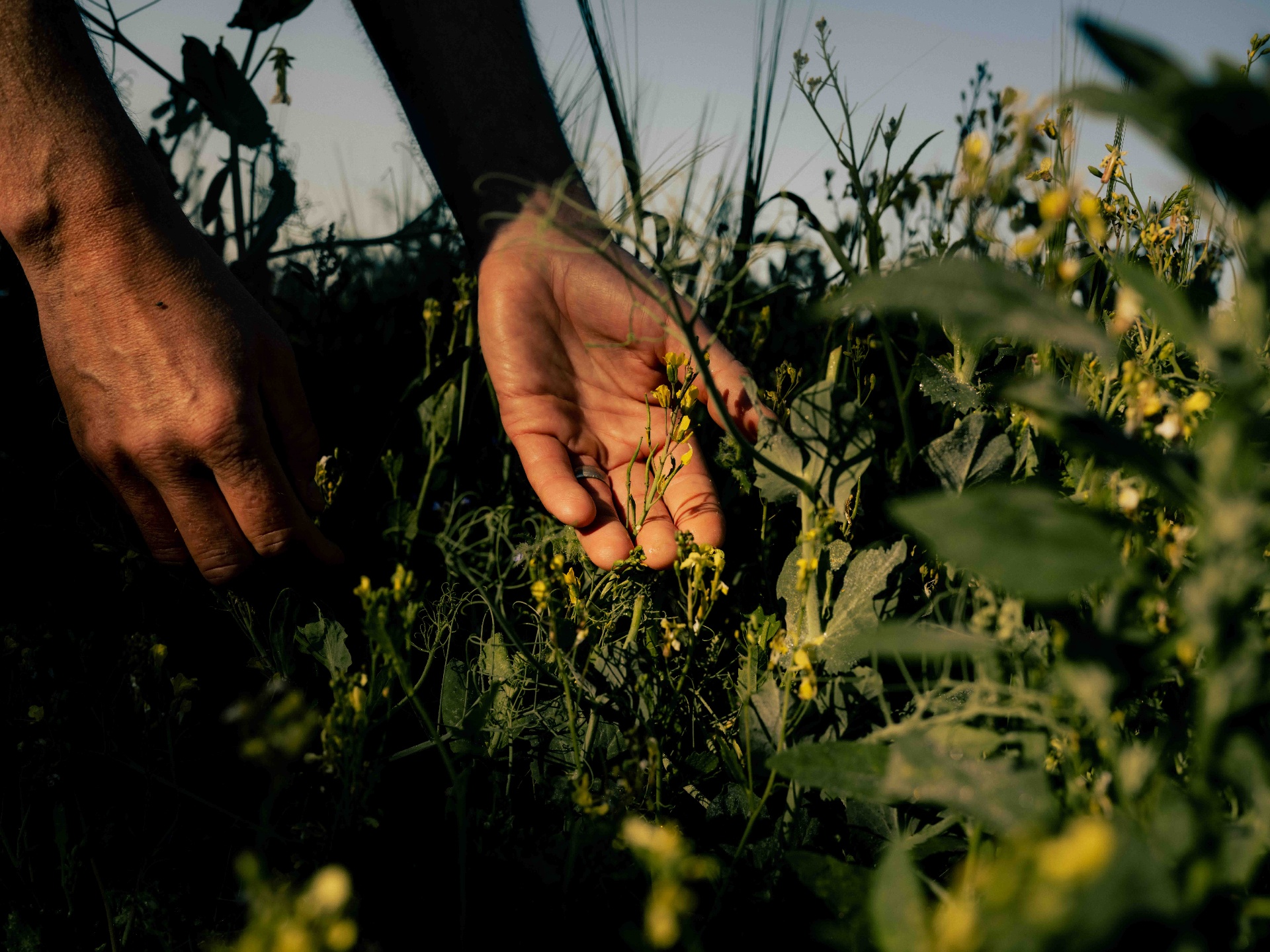
Looking ahead, what leadership lessons are you most focused on imparting as Wildfarmed grows?
Confidence in what you’re doing and humility about how much there is still to learn aren’t in tension — they’re the same thing. And real, lasting change comes from building communities, not just companies. The more people you bring into this, the more powerful it becomes.
For me, it’s stay curious, stay humble, and keep moving. We always tell farmers you don’t have to convert everything at once — start small, we’ll help you grow. That same patient, collaborative mindset applies to how we develop our team. We try to meet people where they are, understand how they do their best work, and build from there.
How has your approach to leadership changed as Wildfarmed has scaled?
Early on, the three of us and our first few employees were doing everything, as is always the case in startup life. It was an incredible time — full of energy and chaos — but also exhausting in a way most founders will recognise. Now, with an exceptional team around us, our roles have shifted. It’s about creating the conditions for brilliant people to do their best work and make their biggest impact. George is an incredible communicator and storyteller. Andy is a true pioneer in regenerative farming. My job is to hold the business together and make sure the right people are in the right rooms. It took us a while to find our rhythm and understand how our strengths fit together, but six years in, we’ve got the hang of it.
"Always ask why, avoid dogma — and be honest about how much there is still to learn."
"We go big — having the whole team involved in the celebrations is what makes it feel different."
"Radical honesty and direct feedback. Brands change consumer behaviour, and that same clarity of thinking applies internally."
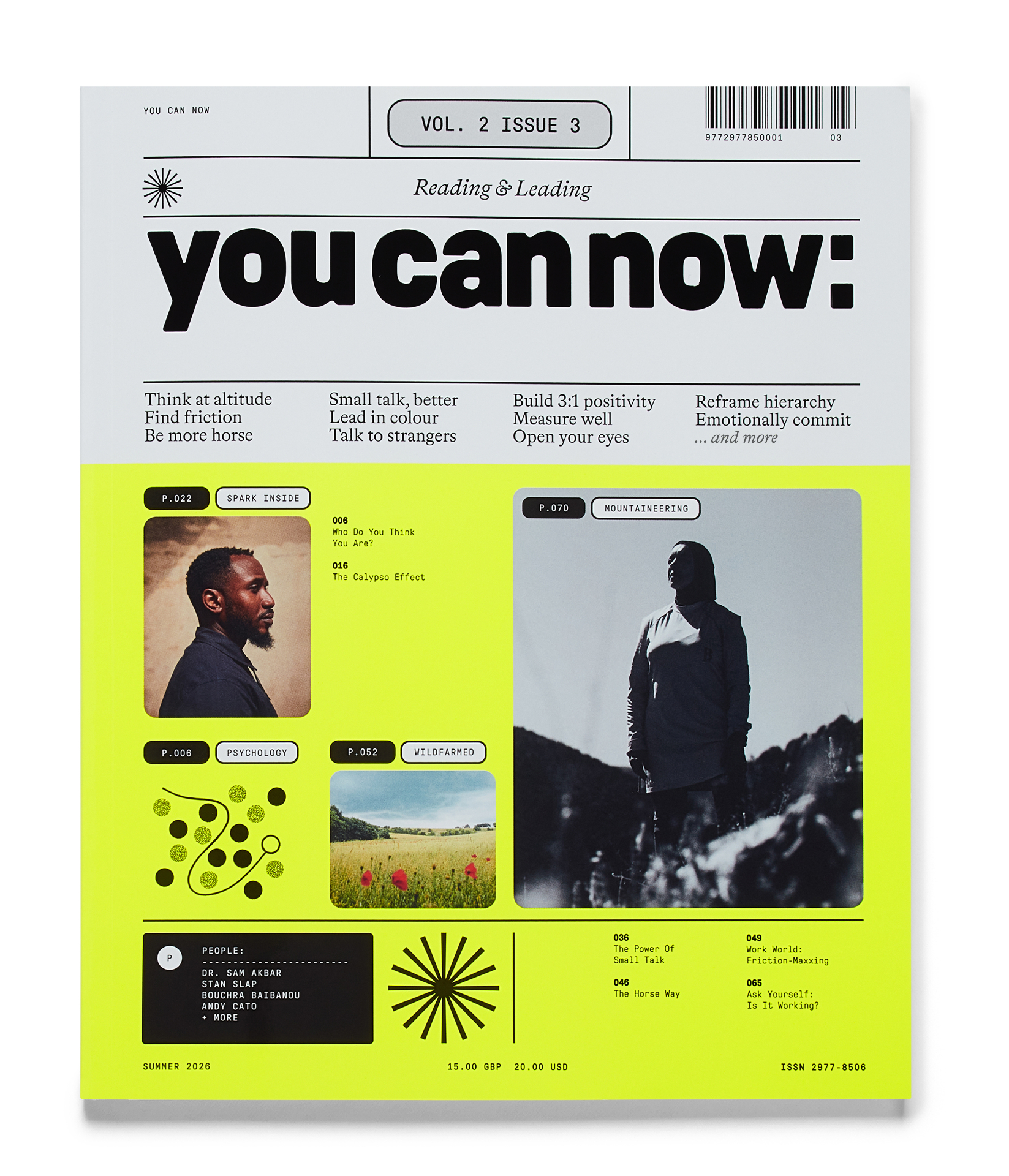
This feature originally appeared in the pages of the Summer 2026 issue of You Can Now Magazine.